Semnal / Visual review
48 stories. 48 distinct covers.
Real photography, published research imagery and clearly labelled conceptual studies. Each cover has its own source and purpose.
Explore all 48 covers in edition-date order. Open the image notes for sources and licences. Context photographs do not imply participation in the featured research; conceptual illustrations are not photographs of real devices.

01 / Matter Lab
A soft sheet that reads its own shape
AI illustration · Semnal / AI illustration
Image notes
AI-generated editorial illustration of a fictional mature woman; not a study participant, company employee or product user. No health outcome is depicted.
02 / Sensory AI
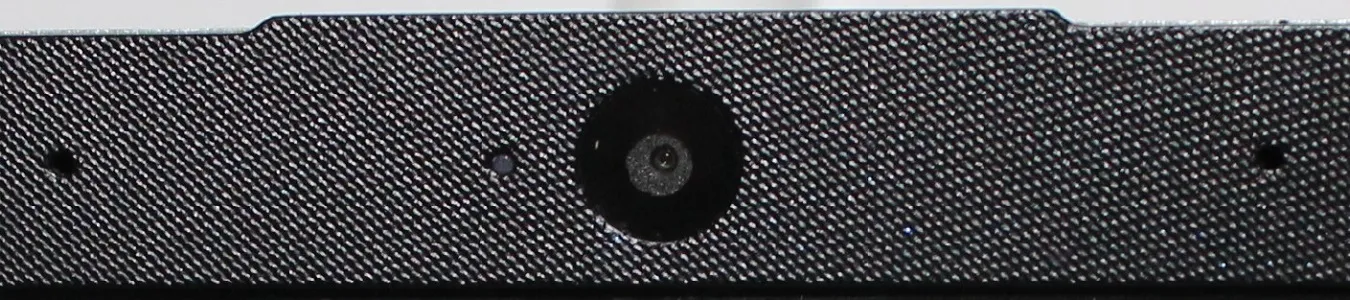
Choosing one voice in a crowded room
Context image · Zvsmedia
Image notes
Context photograph of a laptop microphone array. It is not the University of Washington research headset. Array of microphones built into a laptop Context photograph; not the featured study or product unless explicitly identified.

03 / Bionic Motion
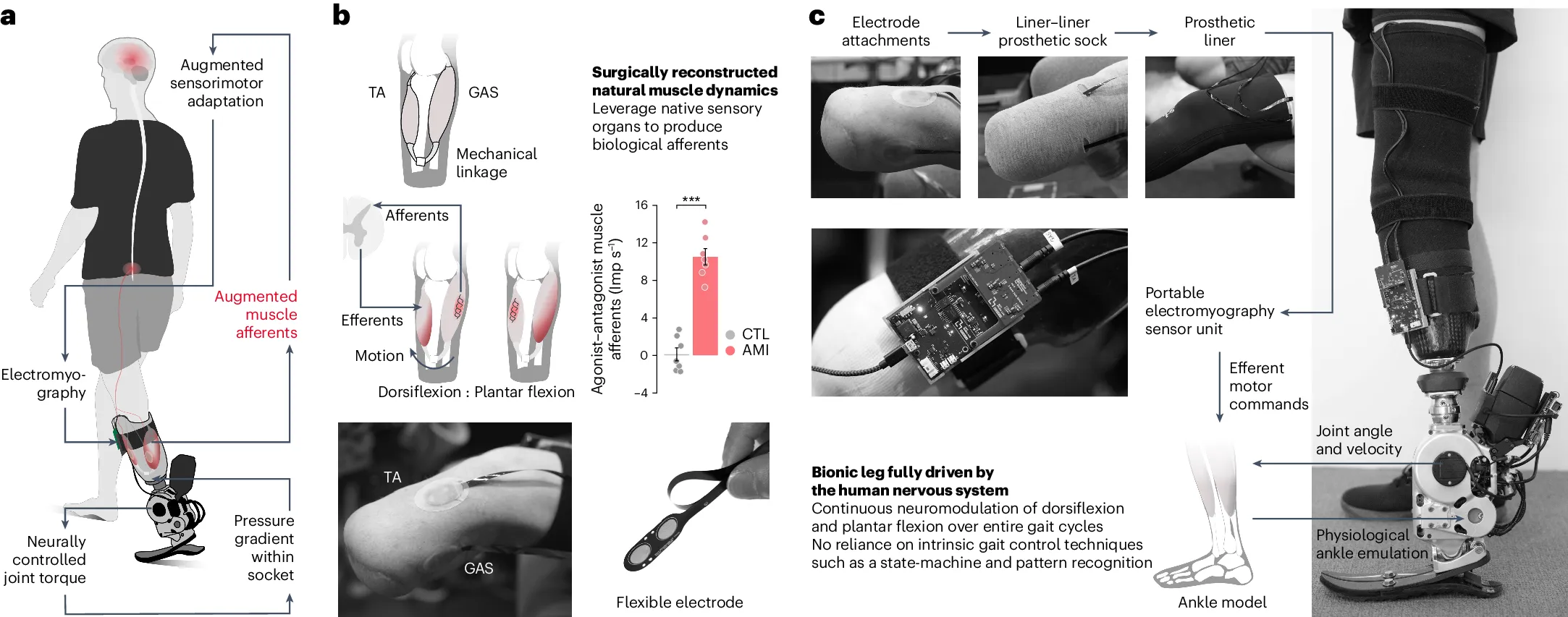
The surgical connection behind a more responsive prosthetic leg
Research figure · Song, Hsieh, Yeon et al.
04 / Next Makers
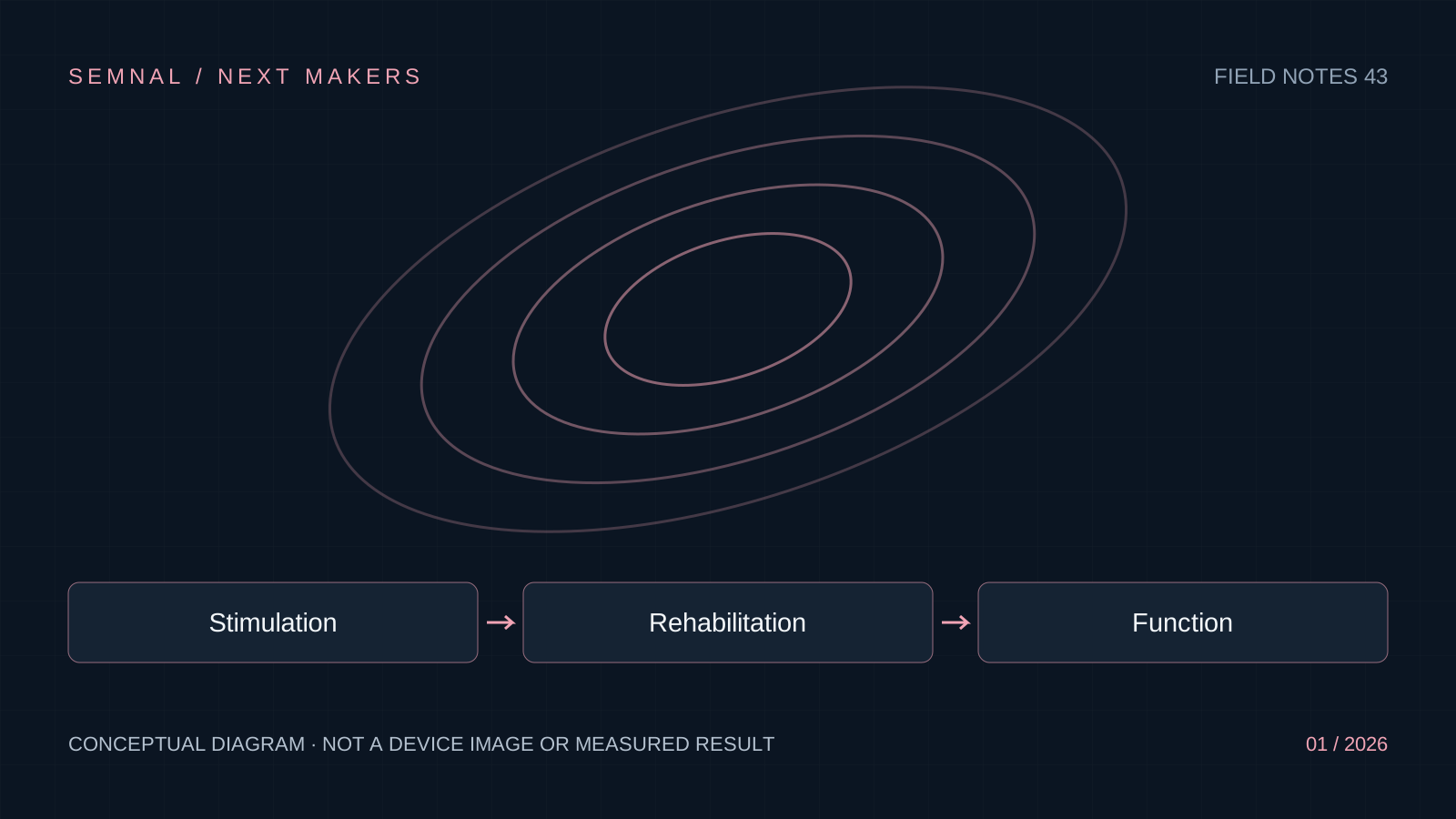
ONWARD and the case for stimulation outside the skin
Concept diagram · Semnal
Image notes
Conceptual diagram: Stimulation → Rehabilitation → Function. Not a device photograph, anatomical model or measured result. Original explanatory vector diagram
05 / Beyond Lab
A speech interface faces the test of everyday use
Context photograph · Kampus Production
Image notes
Context photograph about digital communication. The model is not the participant in the speech-interface study and is not shown using a brain interface. Photo: Kampus Production / Pexels. No endorsement implied.
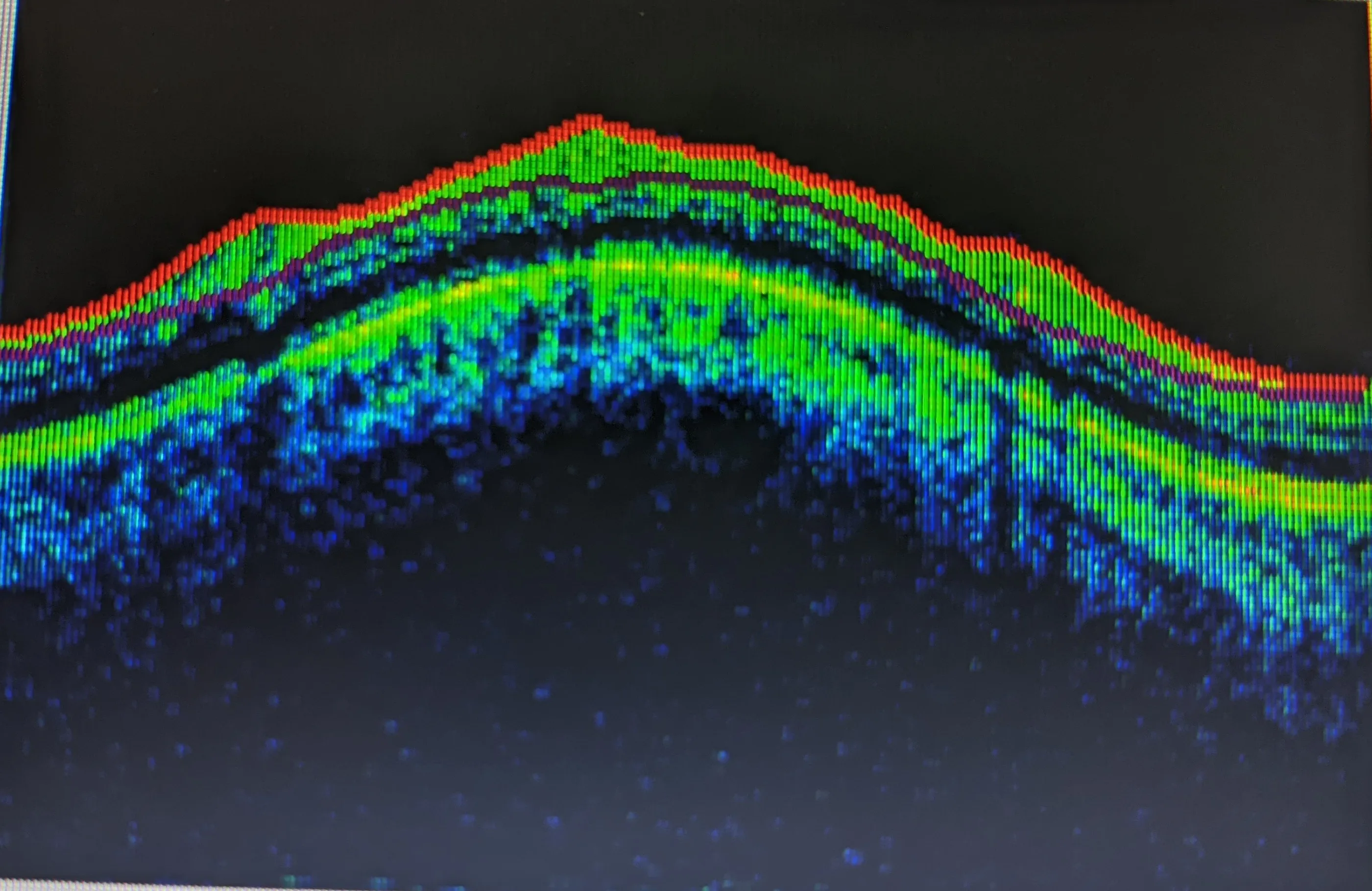
06 / Neural Edge
When light becomes an electrical signal inside the eye
Context image · Bobjgalindo
Image notes
Context image: an optical coherence tomography scan of a retina. It does not show the PRIMA implant or a result from the trial. Optical Coherence Tomography cross sectional scan of retina. Right eye, 53 year old male. Context photograph; not the featured study or product unless explicitly identified.

07 / Beyond Lab
Approved, cleared, registered: three different claims
Context photograph · Tara Winstead
Image notes
Context still life of laboratory equipment. It does not indicate FDA approval, certification or an inspection. Photo: Tara Winstead / Pexels. No endorsement implied.
08 / Bionic Motion
A robotic ankle that learns the person wearing it
AI illustration · Semnal / AI illustration
Image notes
AI-generated editorial illustration of imagined technology; not a photograph of the device or material discussed, and not research evidence.
09 / Bionic Motion
A soft suit tackles the moment between sitting and walking
Context photograph · Anastasia Shuraeva
Image notes
Context photograph of everyday movement. The model is not a participant in the exosuit study and is not wearing the research device. Photo: Anastasia Shuraeva / Pexels. No endorsement implied.
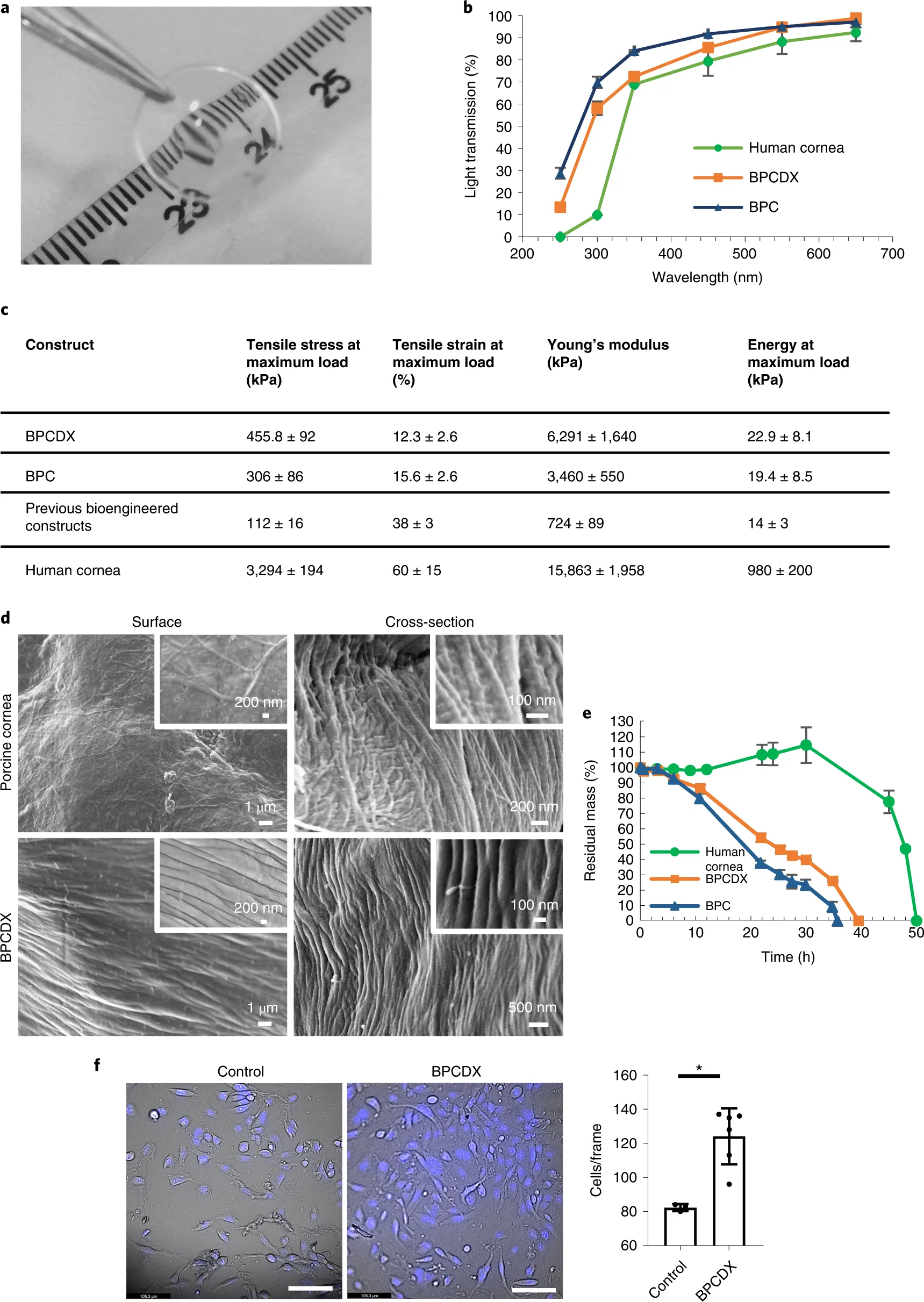
10 / Matter Lab
Engineering a transparent replacement: the corneal material challenge
Research figure · Rafat et al.
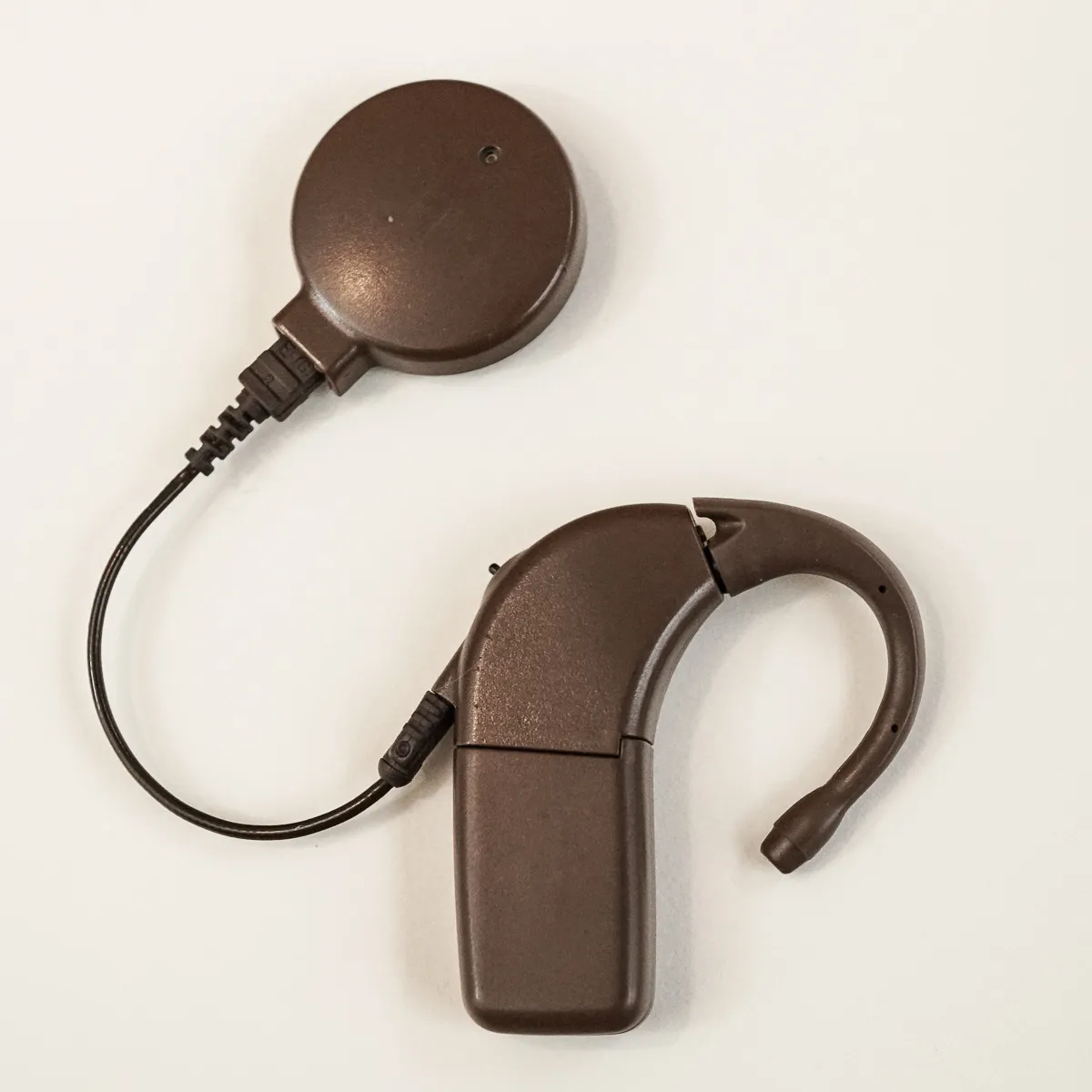
11 / Neural Edge
How a cochlear implant turns sound into a neural signal
Context image · MikeCore9918
Image notes
This is a first-generation behind-the-ear cochlear implant processor, made by Advanced Bionics circa 2002. It is worn on the ear and sends data by radio to the cochlear implant hardware embedded in the user's skull. Context photograph; not the featured study or product unless explicitly identified.

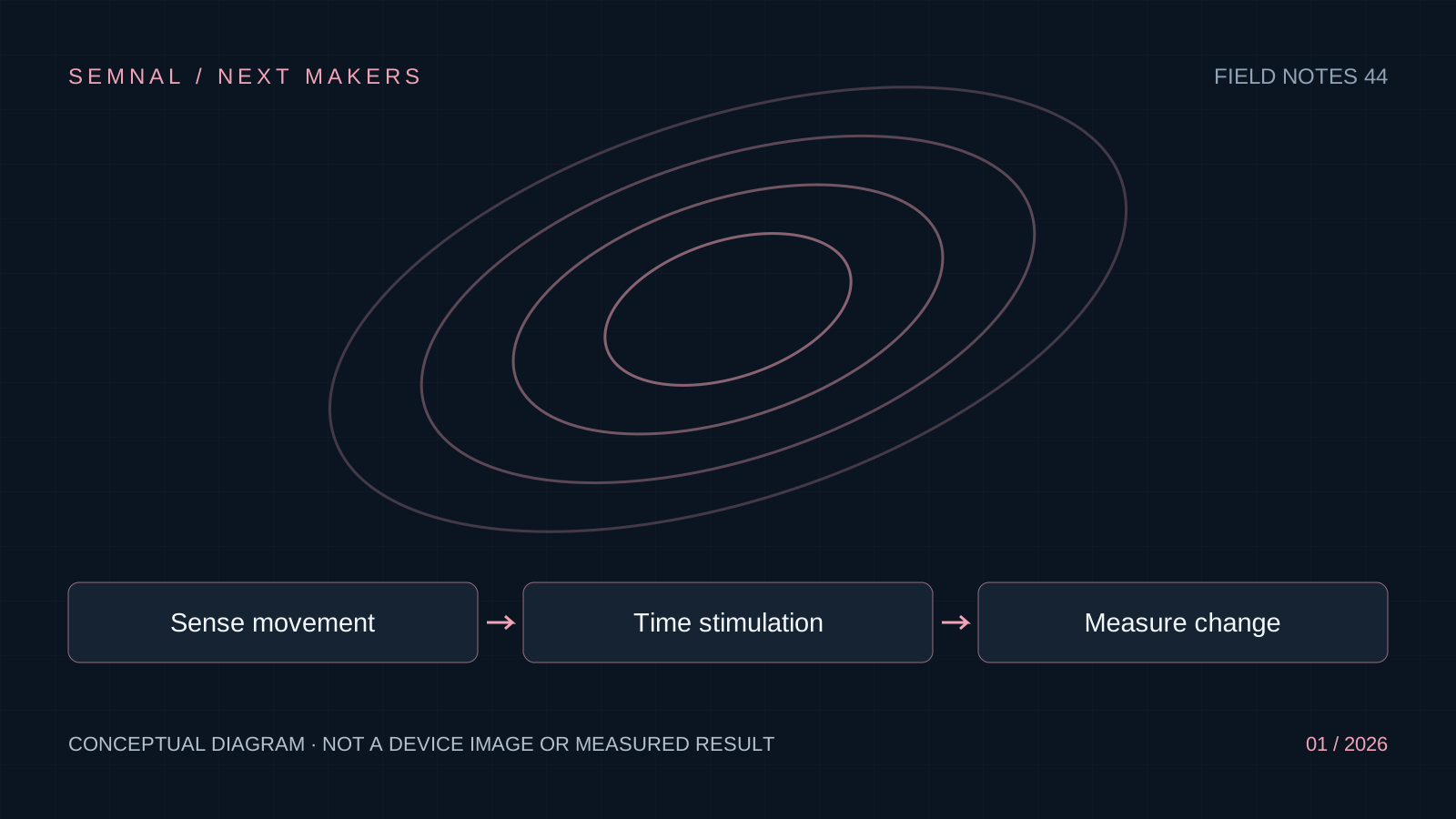
12 / Next Makers
Cionic puts sensing and stimulation into clothing
Concept diagram · Semnal
Image notes
Conceptual diagram: Sense movement → Time stimulation → Measure change. Not a device photograph, anatomical model or measured result. Original explanatory vector diagram

13 / Neural Edge
A voice in real time: the next challenge for speech interfaces
AI illustration · Semnal / AI illustration
Image notes
AI-generated editorial illustration of a fictional mature woman; not a study participant, company employee or product user. No health outcome is depicted.

14 / Neural Edge
Who decides when a brain interface speaks?
AI illustration · Semnal / AI illustration
Image notes
AI-generated editorial illustration of imagined technology; not a photograph of the device or material discussed, and not research evidence.
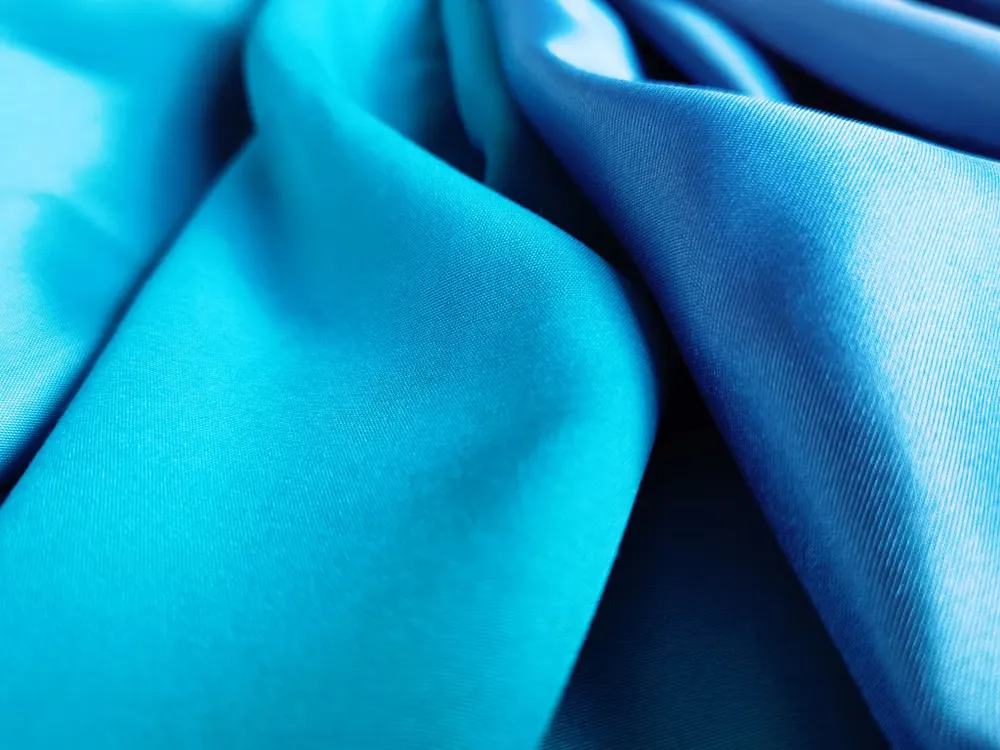
15 / Matter Lab
A thin fabric takes on unwanted sound
Context photograph · Vero Lova
Image notes
Context photograph of ordinary fabric. It is not the MIT sound-suppressing textile and does not demonstrate acoustic performance. Photo: Vero Lova / Pexels. No endorsement implied.

16 / Beyond Lab
How to read a trial record before reading the headline
Context photograph · Pavel Danilyuk
Image notes
Context photograph about reading and evaluating information. The model is not a trial participant or a medical adviser. Photo: Pavel Danilyuk / Pexels. No endorsement implied.

17 / Beyond Lab
Were women included—and were their results examined?
AI illustration · Semnal / AI illustration
Image notes
AI-generated editorial illustration of a fictional mature woman; not a study participant, company employee or product user. No health outcome is depicted.
18 / Sensory AI
A listening bubble built around distance
Context photograph · Adrian Regeci
Image notes
Context photograph of headphones. These are not the University of Washington sound-bubble prototype. Photo: Adrian Regeci / Pexels. No endorsement implied.
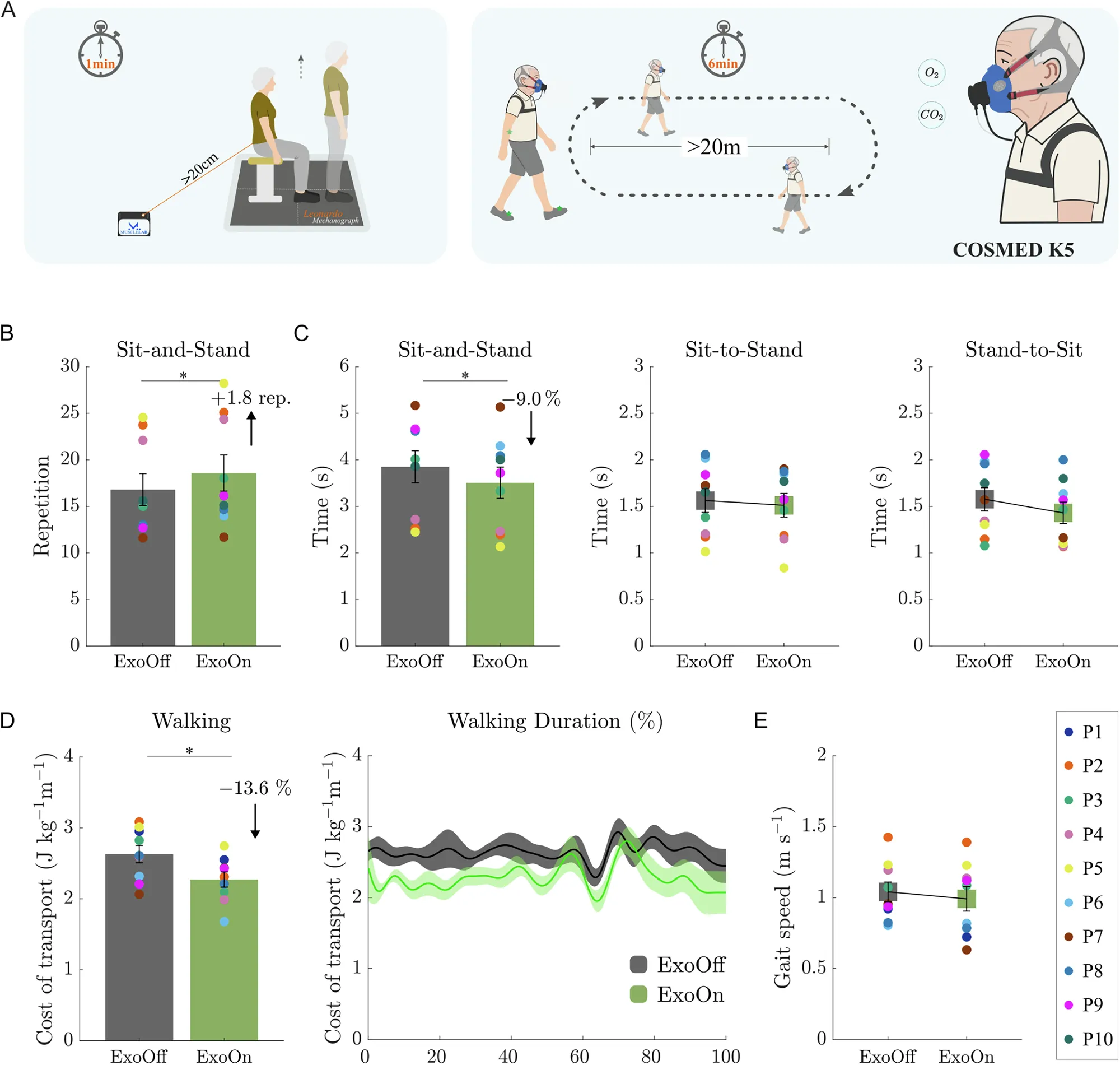
19 / Beyond Lab
Age is more than a line in a study table
Research figure · Zhang et al.
20 / Beyond Lab
Why a US announcement does not establish European access
Context photograph · cottonbro studio
Image notes
Context photograph of laboratory work. It does not depict a regulator, a clinical trial or a CE-mark assessment. Photo: cottonbro studio / Pexels. No endorsement implied.
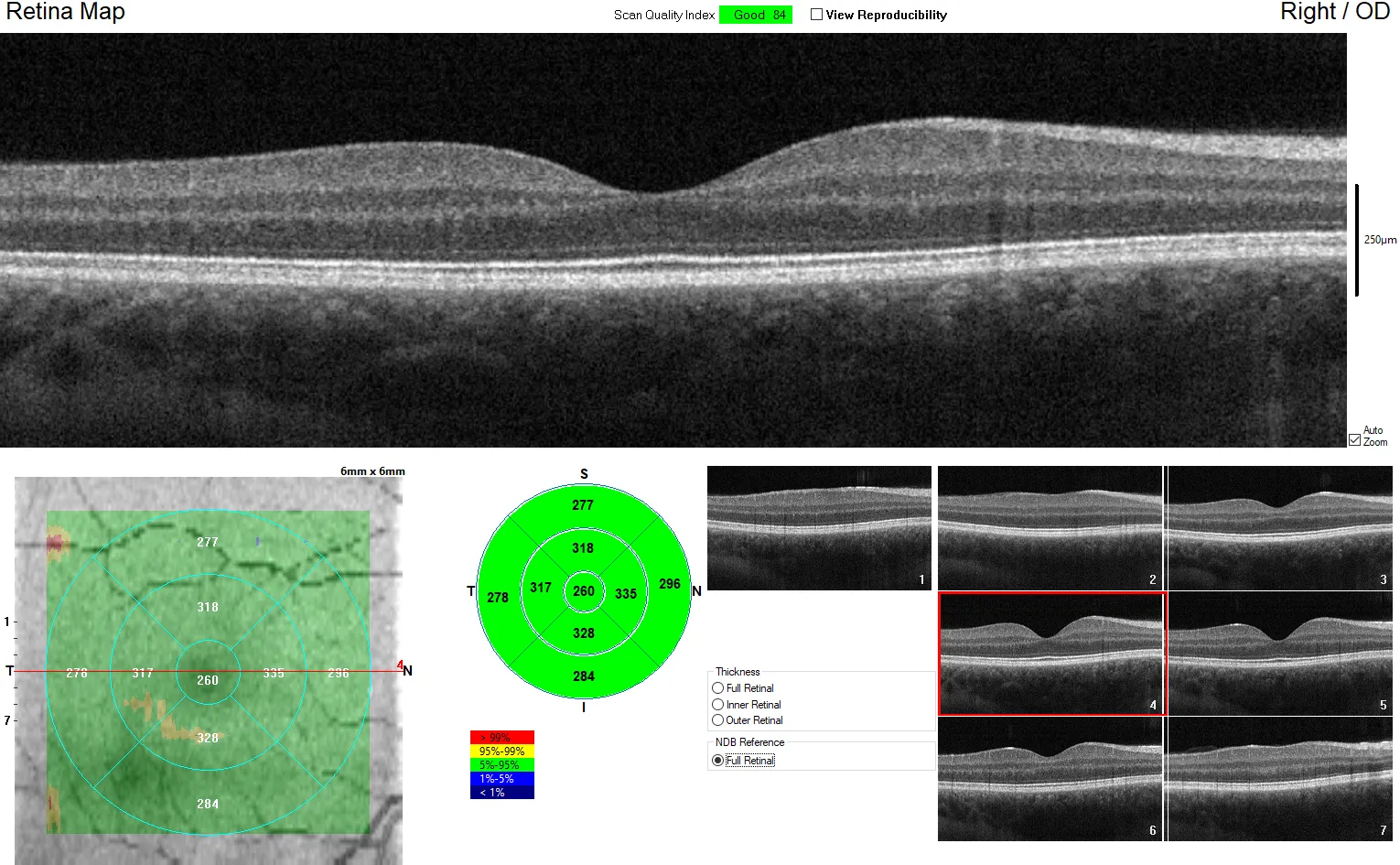
21 / Next Makers
Science Corporation and the work beyond a retinal chip
Context photograph · Wies6014
Image notes
Context OCT image of a healthy macula. It is not the PRIMA device, a study participant or a treatment outcome. Source image shown in full; see the original file for acquisition details.


22 / Matter Lab
Strong enough is only the beginning for artificial cartilage
Concept illustration · Semnal
Image notes
AI-generated editorial concept. Imagined translucent gel surfaces meeting across a fluid interface. It is not a photograph of the company’s product, an anatomical model or a measured research result.

23 / Beyond Lab
What counts as a meaningful improvement?
Context photograph · Los Muertos Crew
Image notes
Context photograph of everyday digital activity. The model is not a study participant or an endorser of a device. Photo: Los Muertos Crew / Pexels. No endorsement implied.
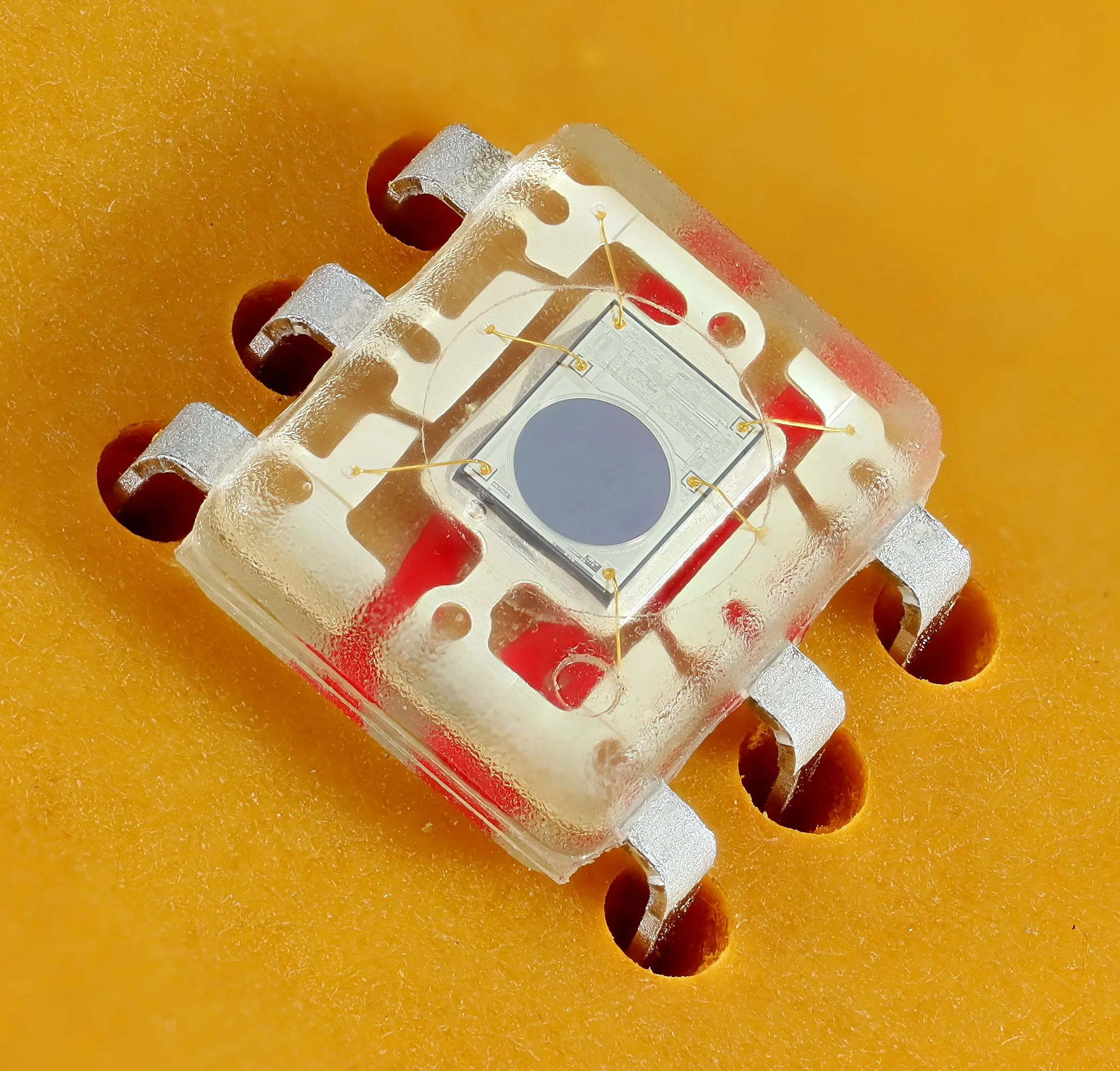
24 / Sensory AI
An image description is an interpretation, not eyesight
Context image · Mister rf
Image notes
Context photograph of a Canon optical sensor. It is not a photograph or screenshot of Microsoft Seeing AI. Canon LS502NA Integrated optical sensor Context photograph; not the featured study or product unless explicitly identified.

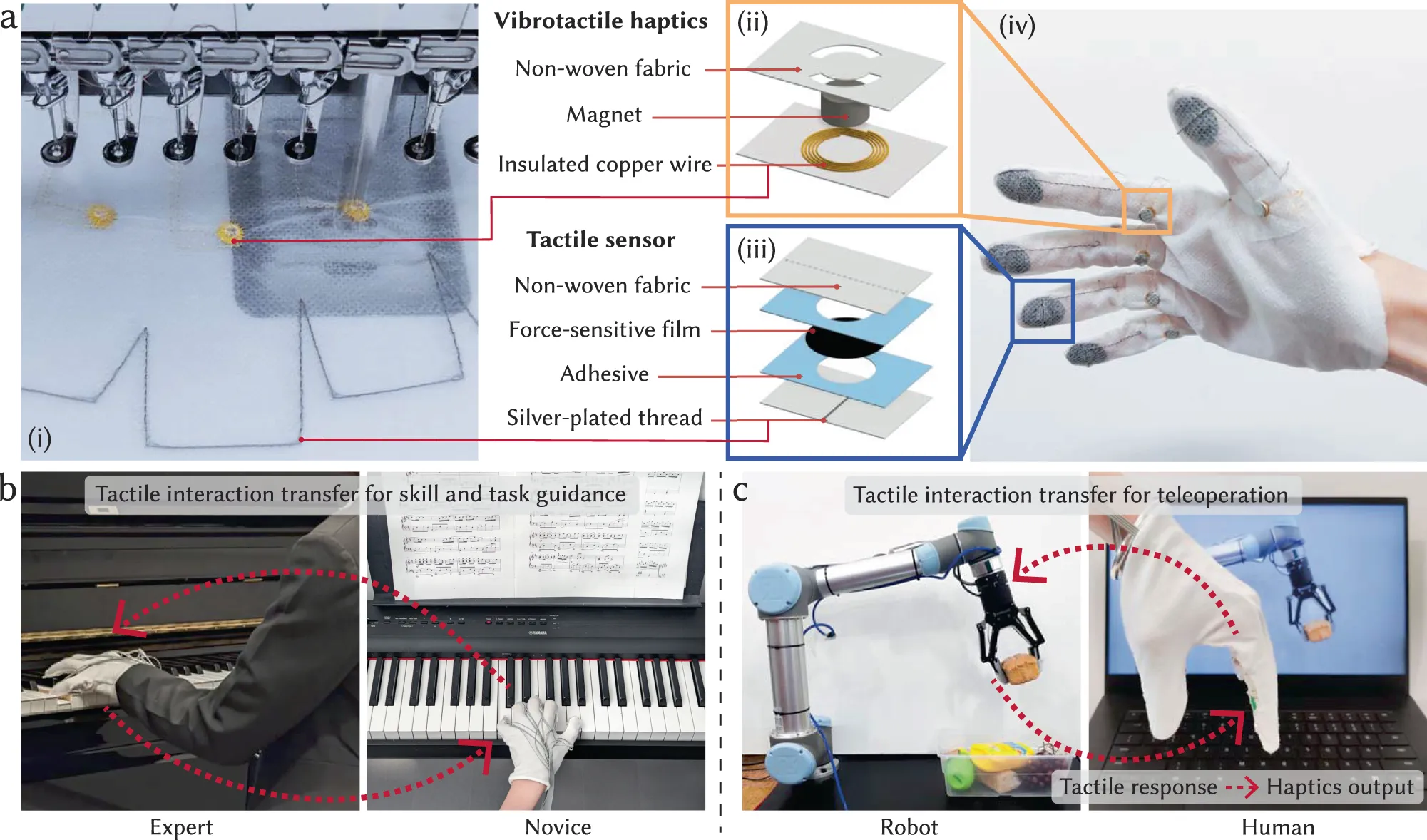
25 / Matter Lab
Embroidered sensors turn a glove into a touch interface
Research figure · Luo et al.
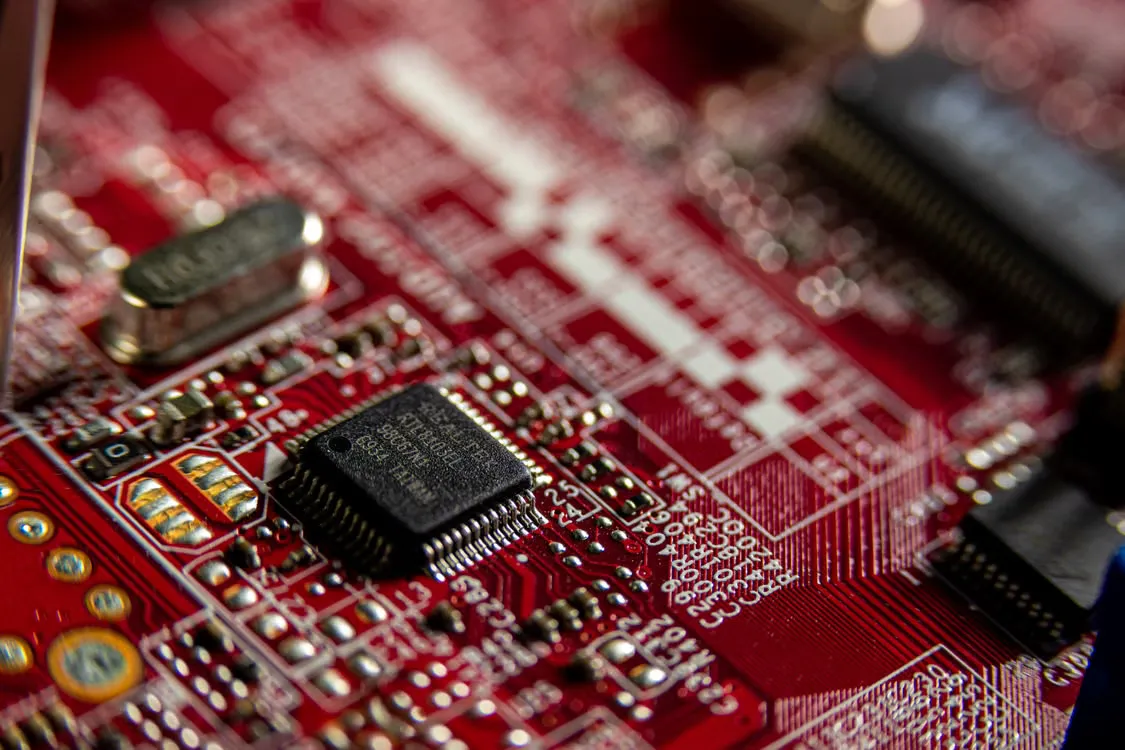
26 / Neural Edge
Brain stimulation that listens before it responds
Context photograph · Sergei Starostin
Image notes
Context photograph illustrating electronic control. This circuit board is not an implanted DBS device or the hardware used in the study. Photo: Sergei Starostin / Pexels. No endorsement implied.
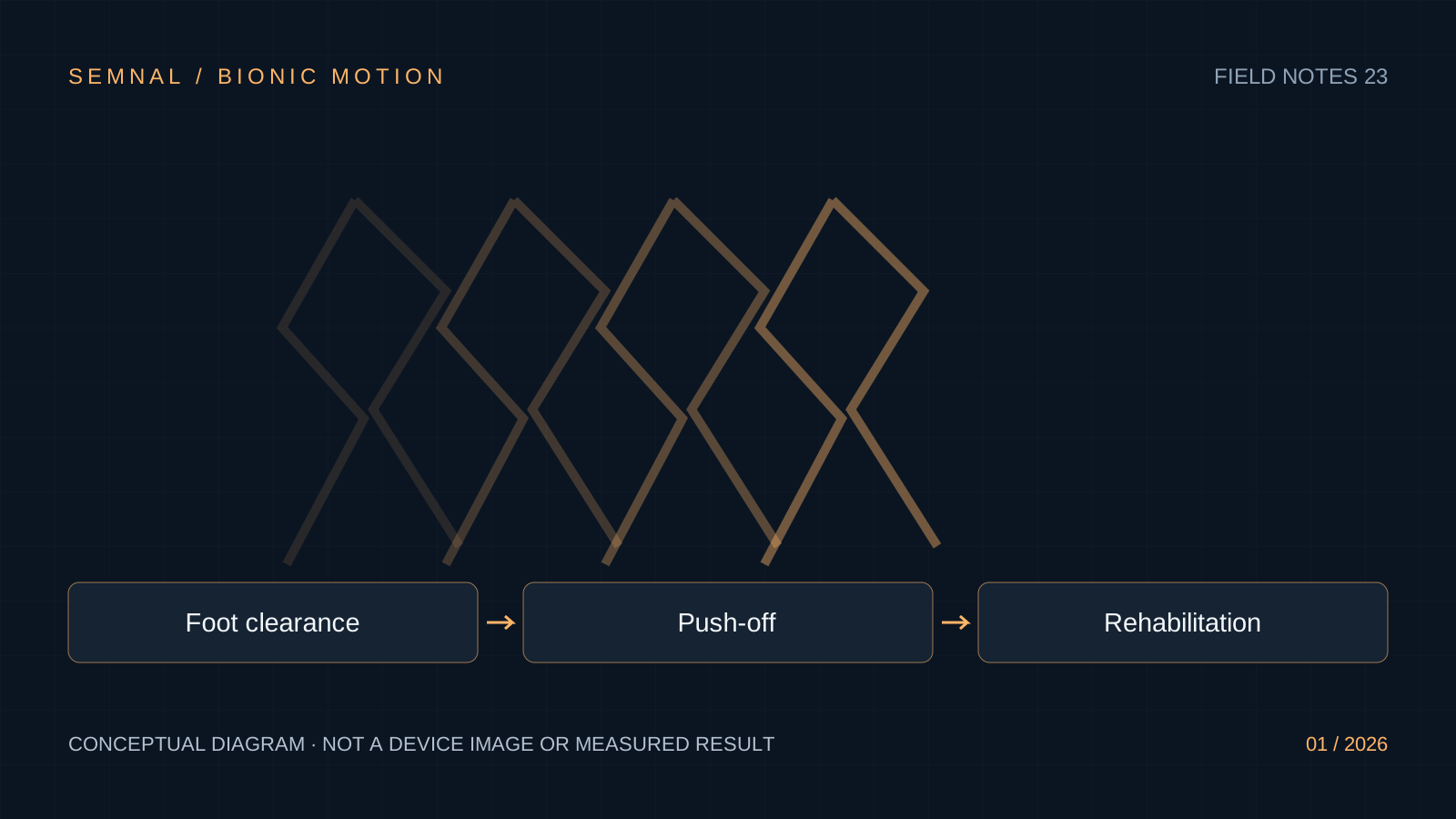
27 / Bionic Motion
The two jobs of an ankle-assisting exosuit
Concept diagram · Semnal
Image notes
Conceptual diagram: Foot clearance → Push-off → Rehabilitation. Not a device photograph, anatomical model or measured result. Original explanatory vector diagram
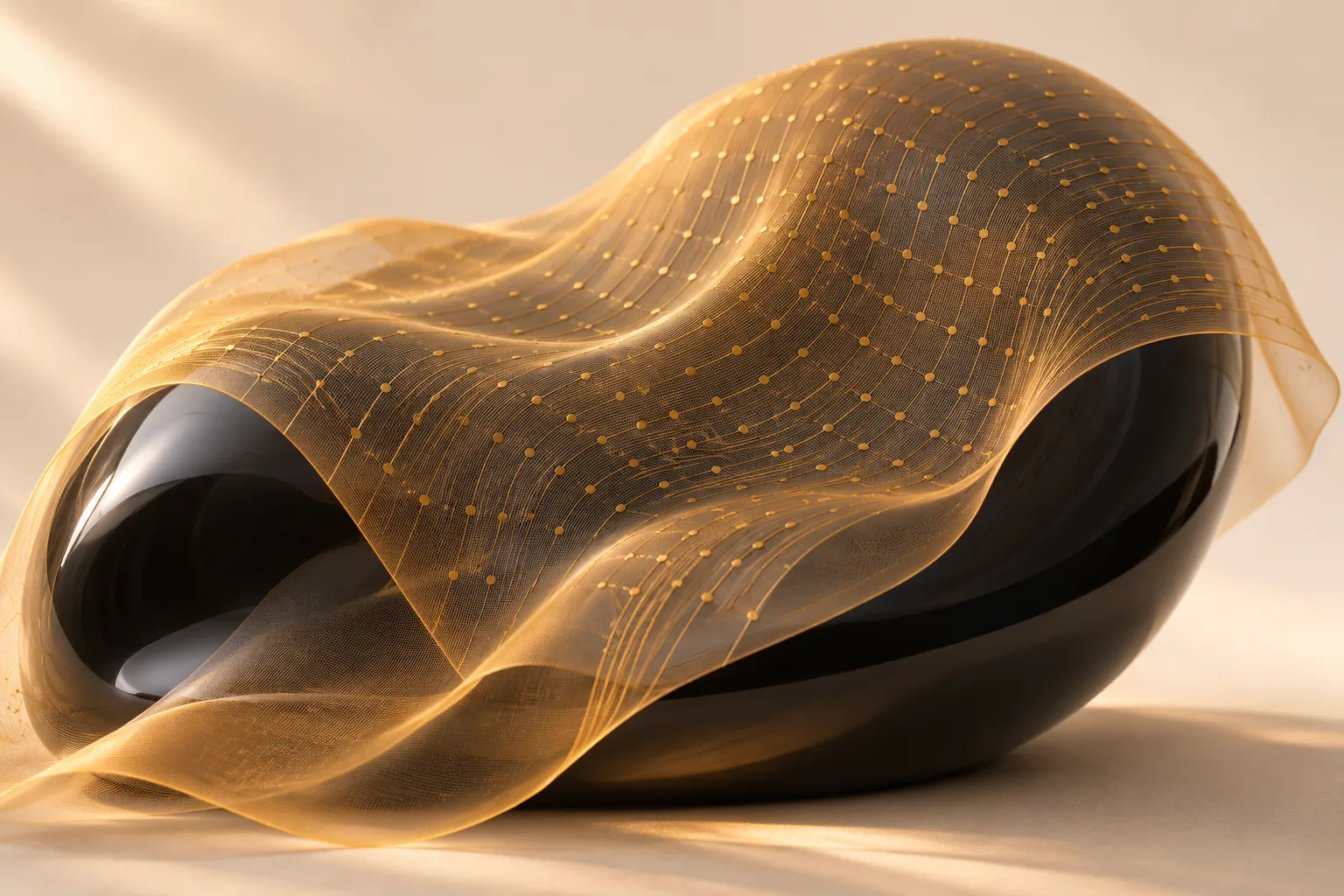
28 / Next Makers
Neurosoft asks how soft a brain interface should be
Concept illustration · Semnal
Image notes
AI-generated editorial concept. Imagined flexible electrode-like mesh draped over a curved surface. It is not a photograph of the company’s product, an anatomical model or a measured research result.
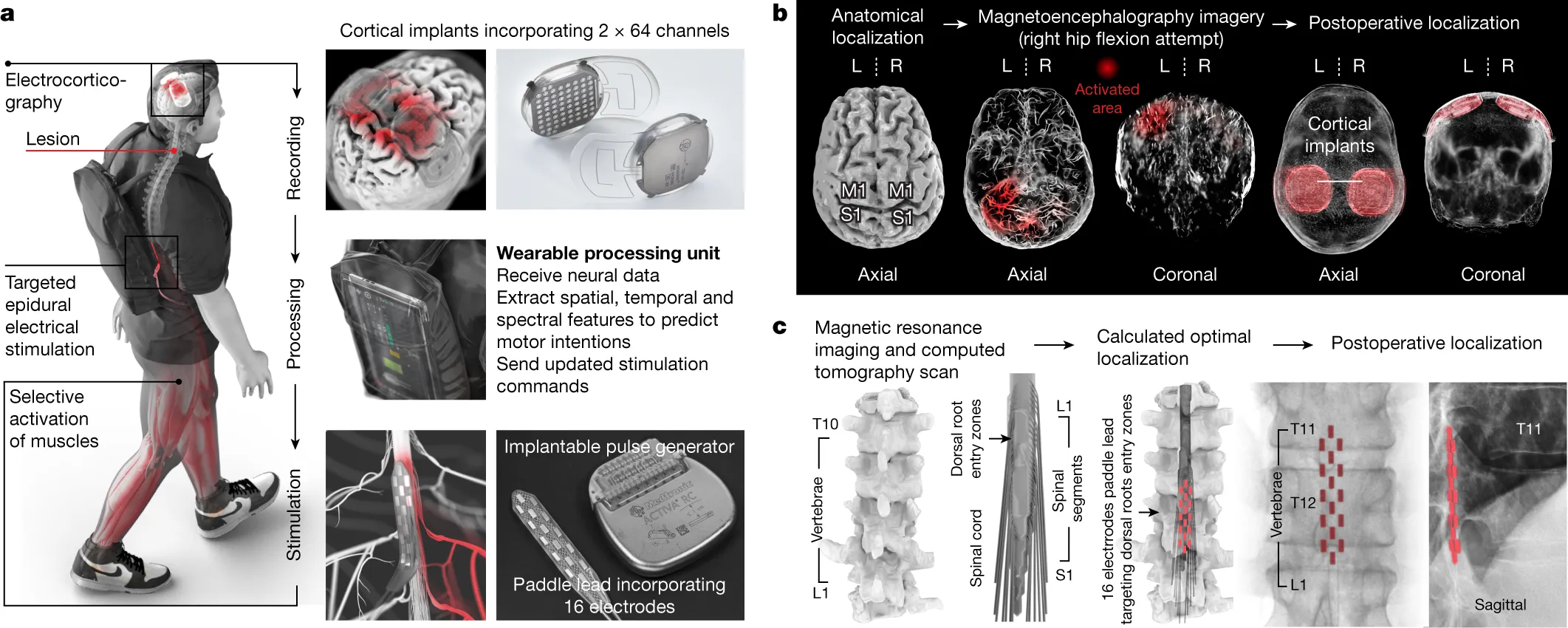
29 / Neural Edge
A digital bridge between the brain and spinal cord
Research figure · Lorach et al.
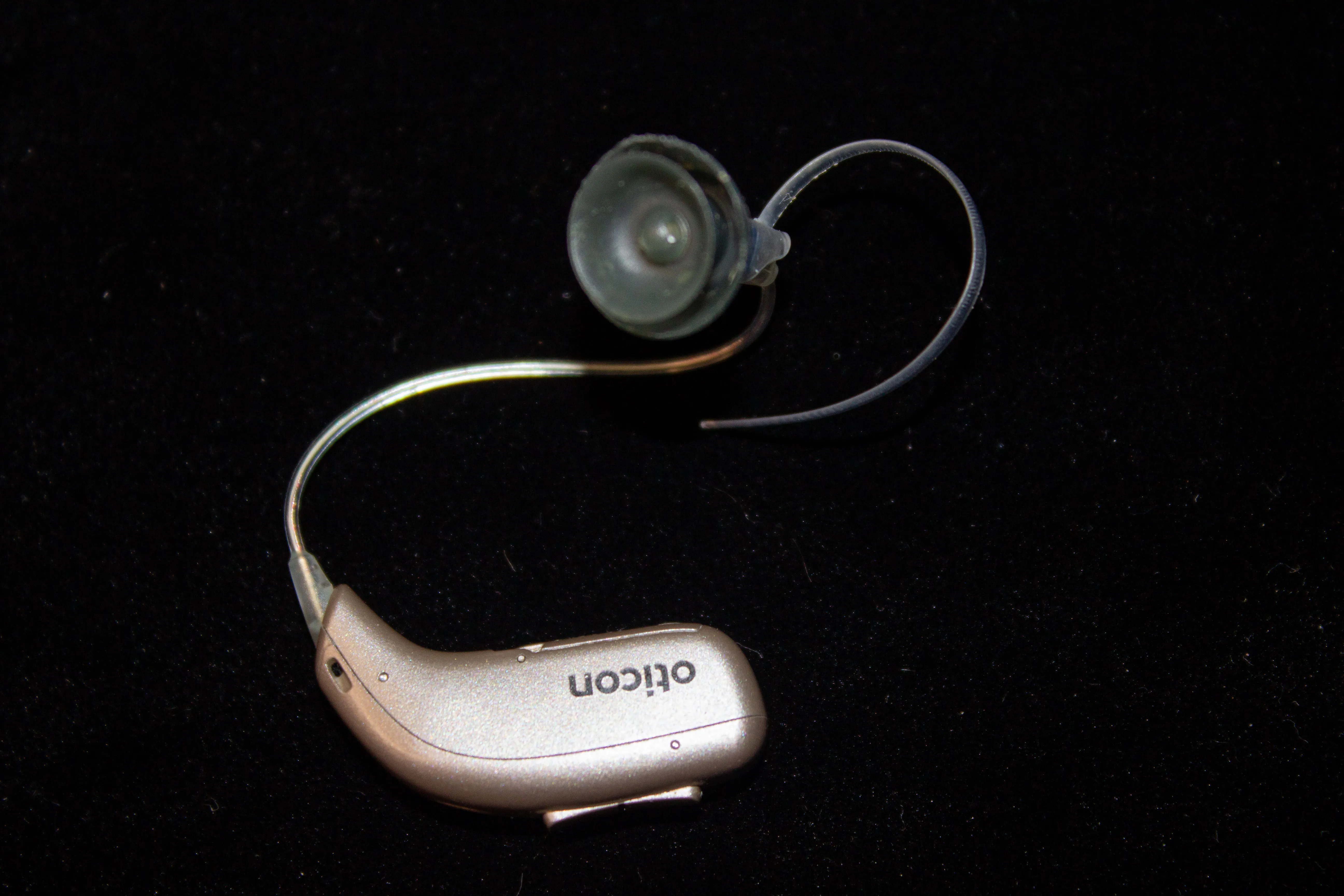
30 / Sensory AI
When a software update becomes a hearing device
Context image · Bastique

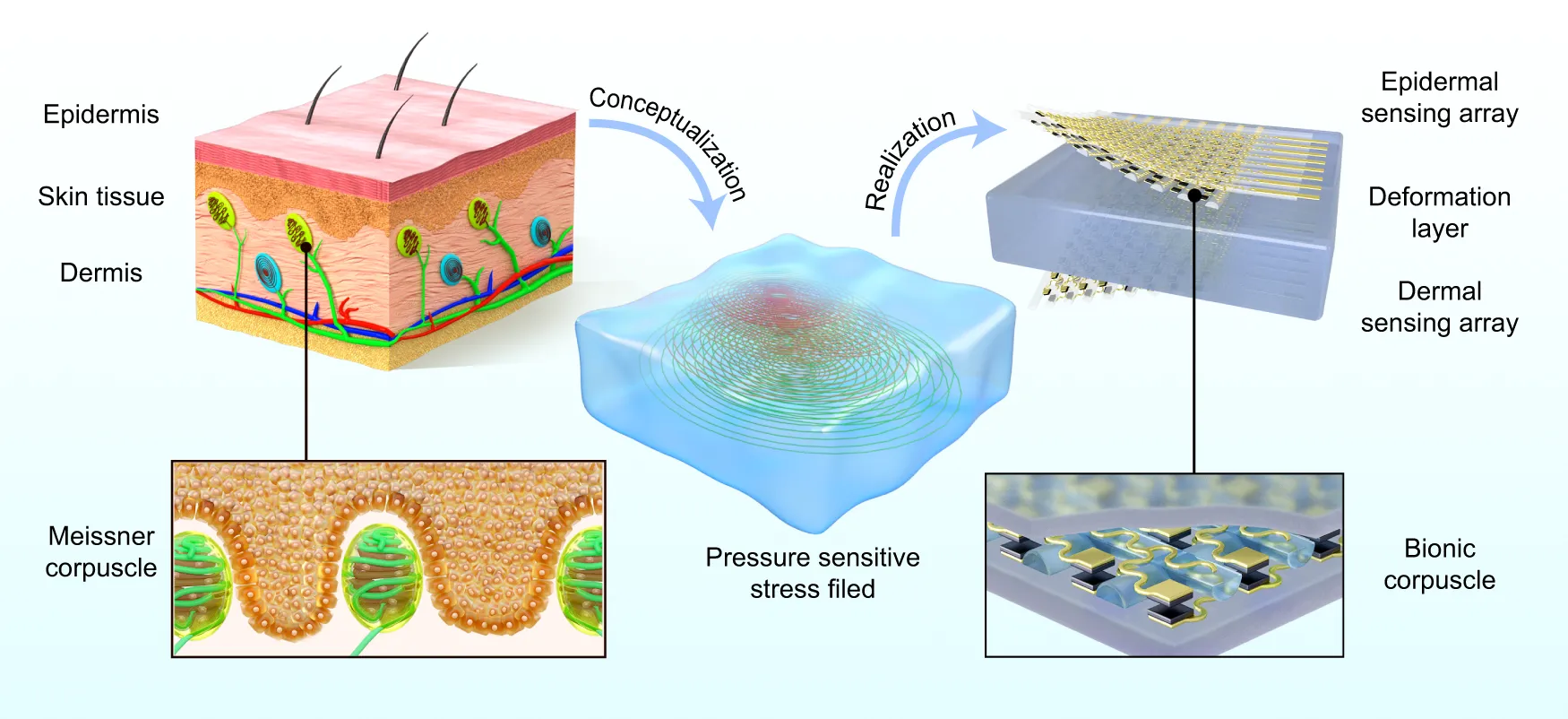
31 / Matter Lab
What it takes for an artificial skin to sense more than pressure
Research figure · Shang, Xu, Liang et al.
32 / Next Makers
CorNeat and the interface between an implant and the eye
AI illustration · Semnal / AI illustration
Image notes
AI-generated editorial illustration of imagined technology; not a photograph of the device or material discussed, and not research evidence.
33 / Sensory AI
Your gaze as a control signal
Context photograph · Ivan S
Image notes
Context photograph about computer access. It does not demonstrate Apple eye tracking or identify the model as a user of assistive technology. Photo: Ivan S / Pexels. No endorsement implied.
34 / Matter Lab
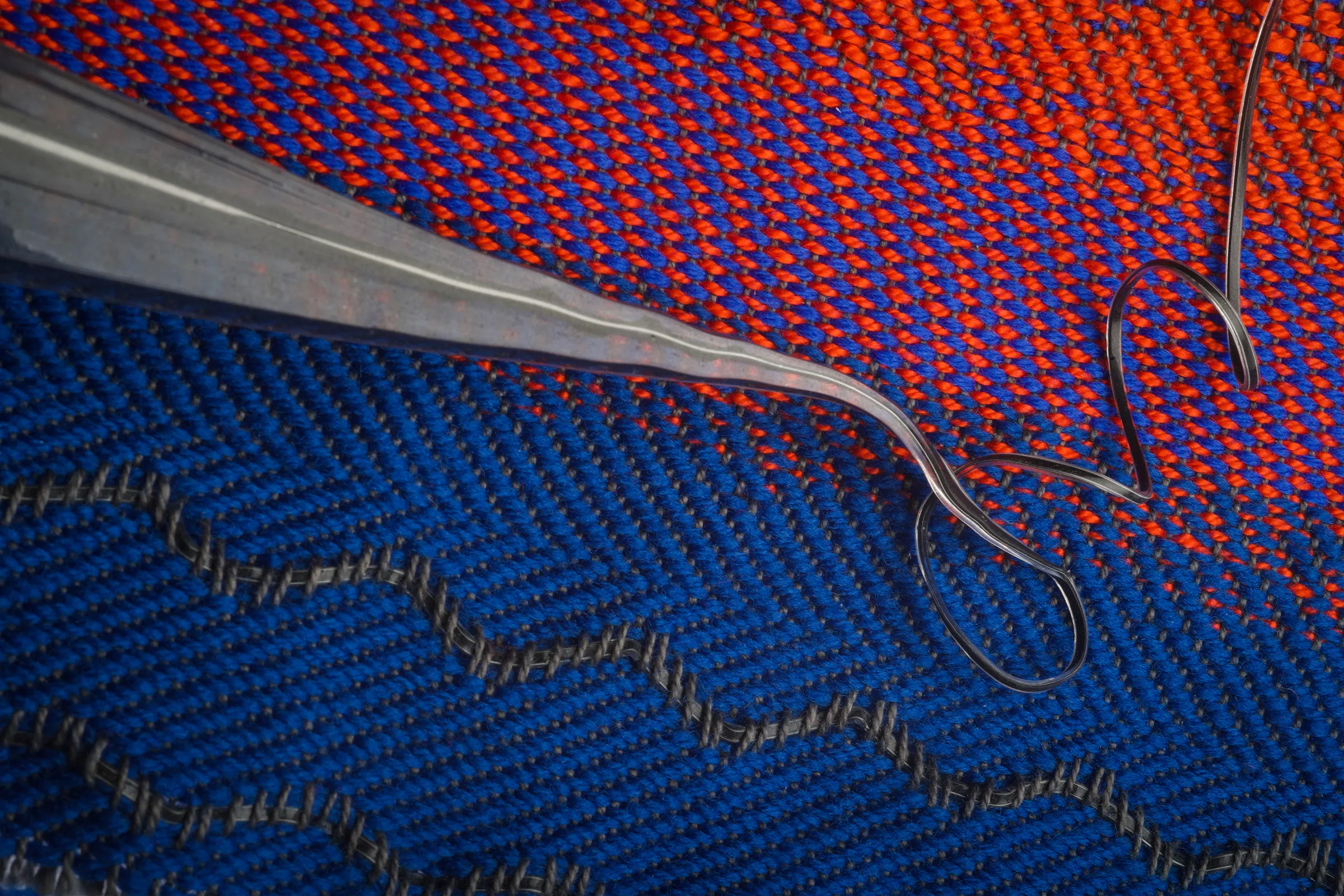
The fabric that turns vibration into a signal
Research image · Greg Hren
Image notes
Research photograph supplied by MIT News. Greg Hren. Actual research photograph. Noncommercial use only; no creative alteration.
35 / Bionic Motion
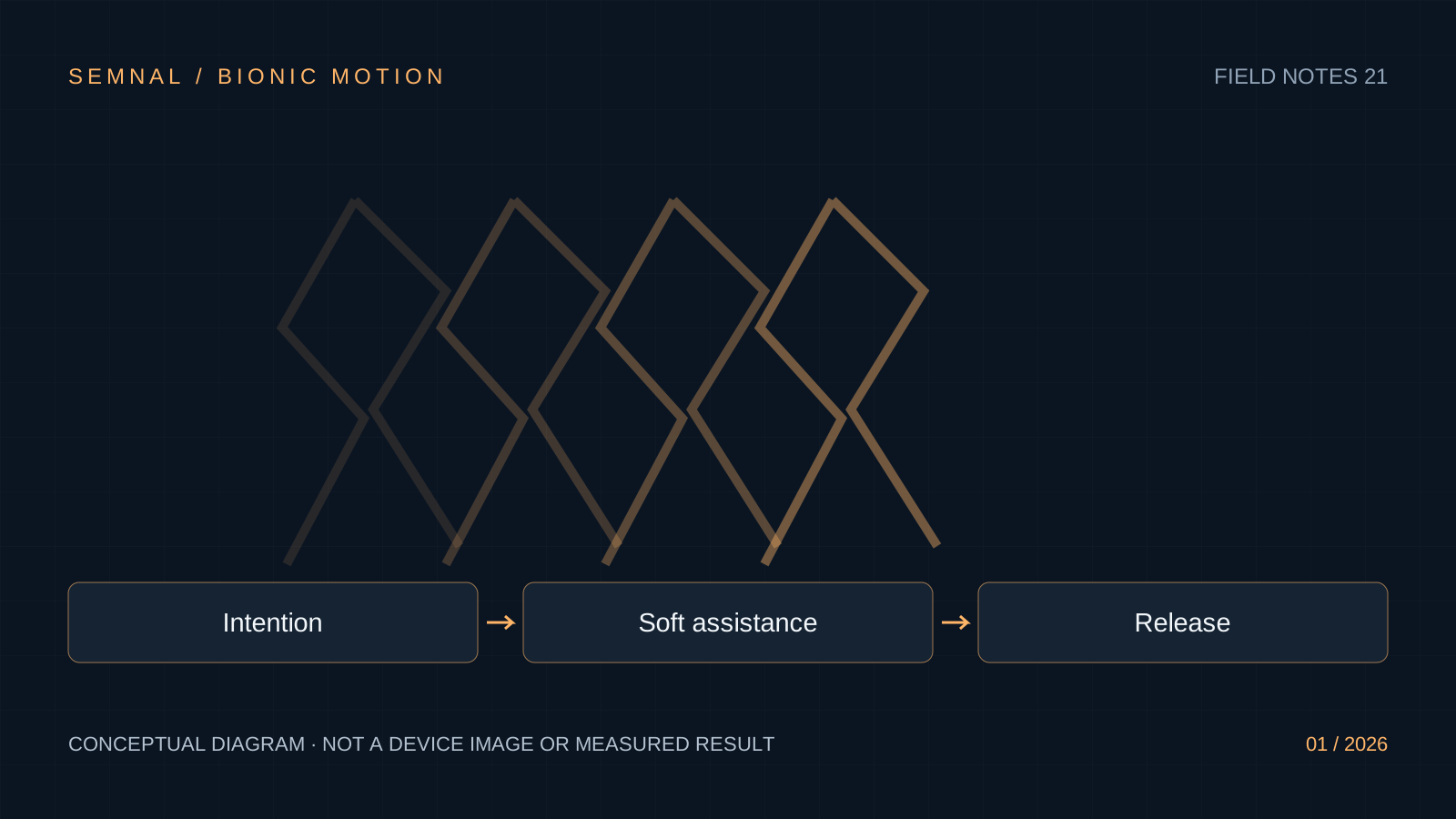
Why a robotic glove does not need a rigid hand
Concept diagram · Semnal
Image notes
Conceptual diagram: Intention → Soft assistance → Release. Not a device photograph, anatomical model or measured result. Original explanatory vector diagram
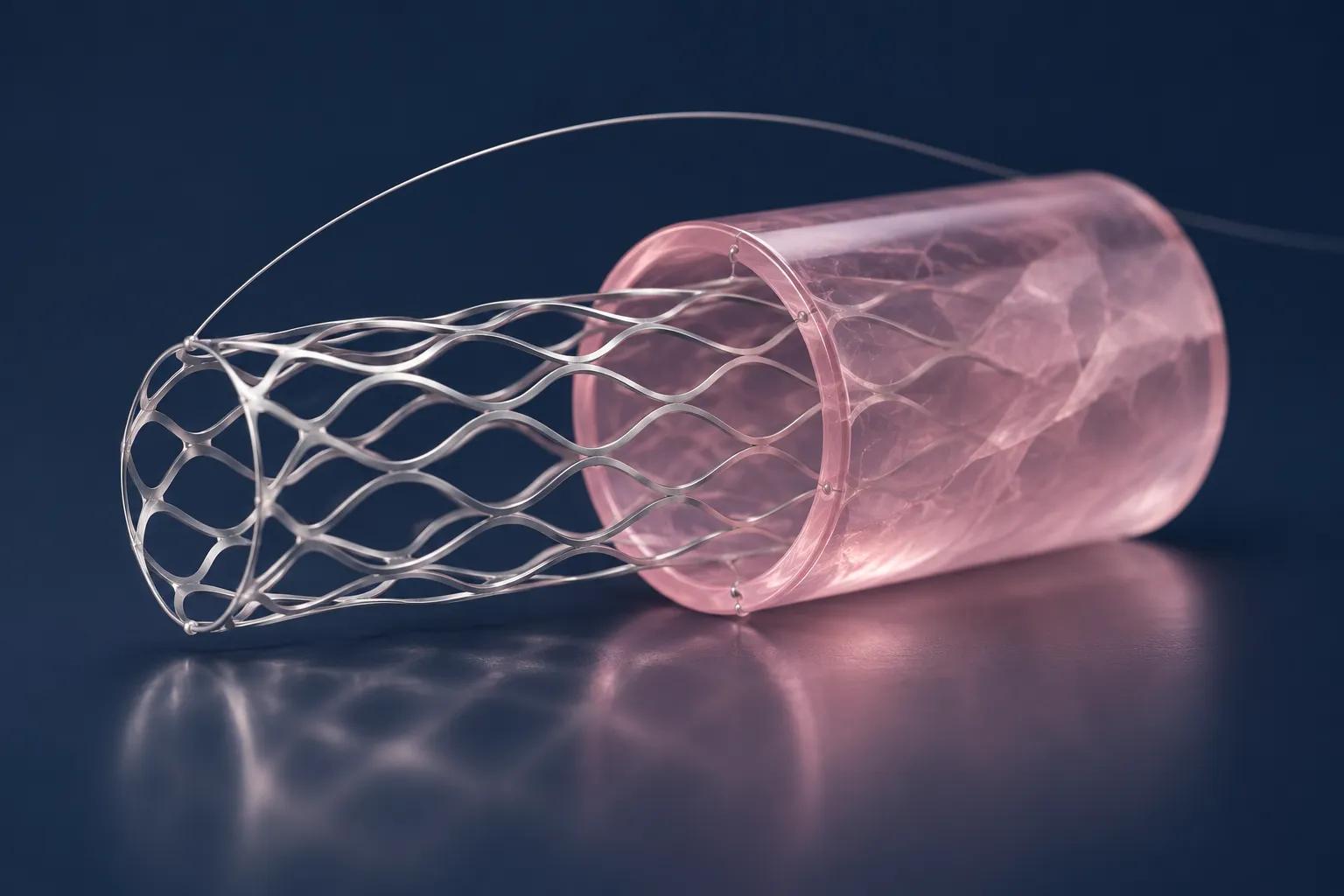
36 / Next Makers
Synchron is taking a different route to the brain
Concept illustration · Semnal
Image notes
AI-generated editorial concept. Imagined metallic lattice inside a translucent glass tube. It is not a photograph of the company’s product, an anatomical model or a measured research result.

37 / Bionic Motion
Wearable assistance that adapts to the arm
AI illustration · Semnal / AI illustration
Image notes
AI-generated editorial illustration of a fictional mature woman; not a study participant, company employee or product user. No health outcome is depicted.
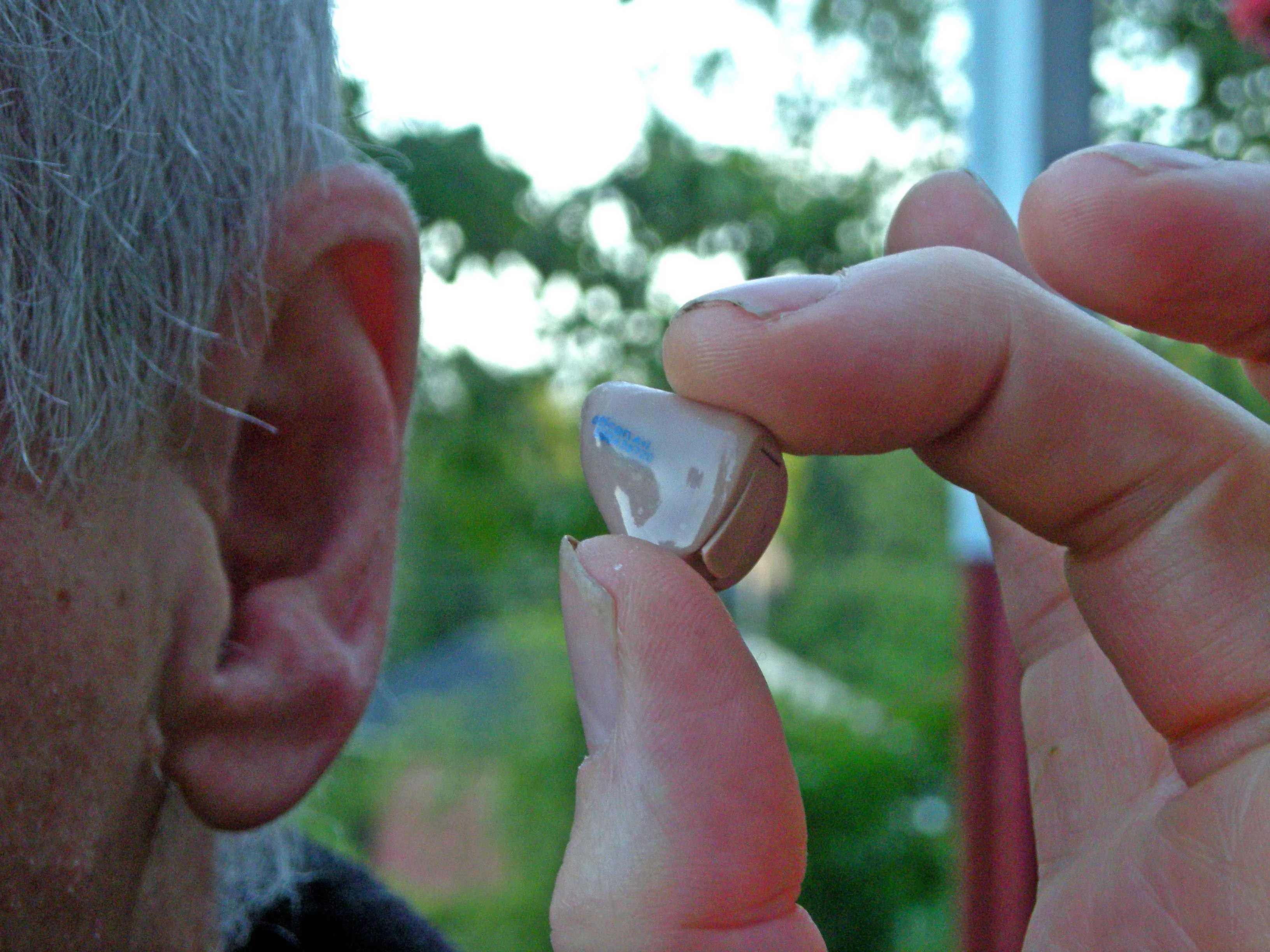
38 / Sensory AI
Why clearer sound is harder than louder sound
Context photograph · Jonas Bergsten
Image notes
Context photograph of a conventional hearing aid. It is not an experimental AI listening system. Hearing aid, photo taken in Sweden

39 / Matter Lab
Can a sensor recover after the material is damaged?
Concept illustration · Semnal
Image notes
AI-generated editorial concept. Imagined flexible circuit ribbon with a symbolic repaired gap. It is not a photograph of the company’s product, an anatomical model or a measured research result.
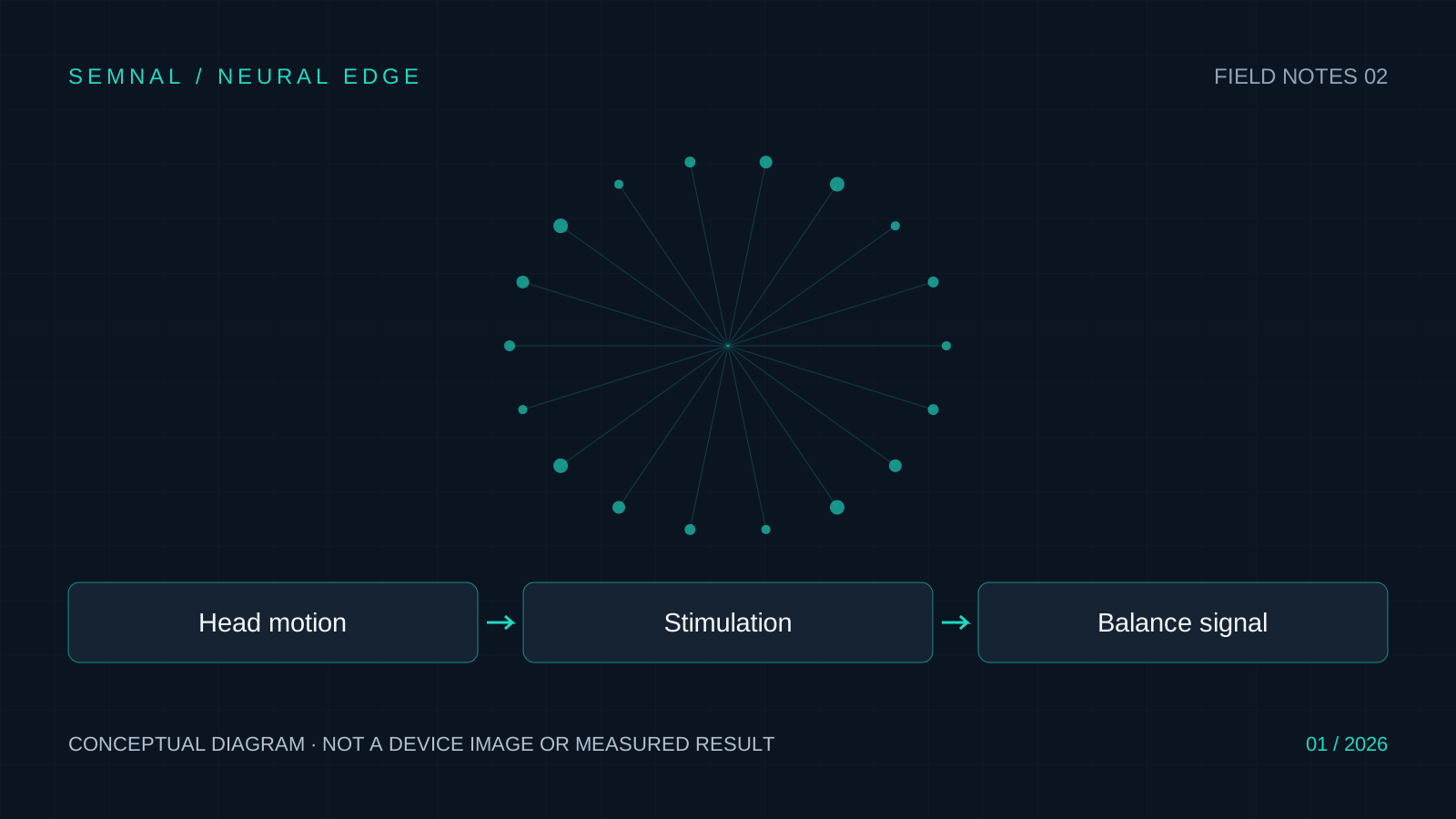
40 / Neural Edge
An implant for balance—and a difficult hearing trade-off
Concept diagram · Semnal
Image notes
Conceptual diagram: Head motion → Stimulation → Balance signal. Not a device photograph, anatomical model or measured result. Original explanatory vector diagram

41 / Sensory AI
Can an AI listener follow the conversation you are in?
AI illustration · Semnal / AI illustration
Image notes
AI-generated editorial illustration of a fictional mature woman; not a study participant, company employee or product user. No health outcome is depicted.
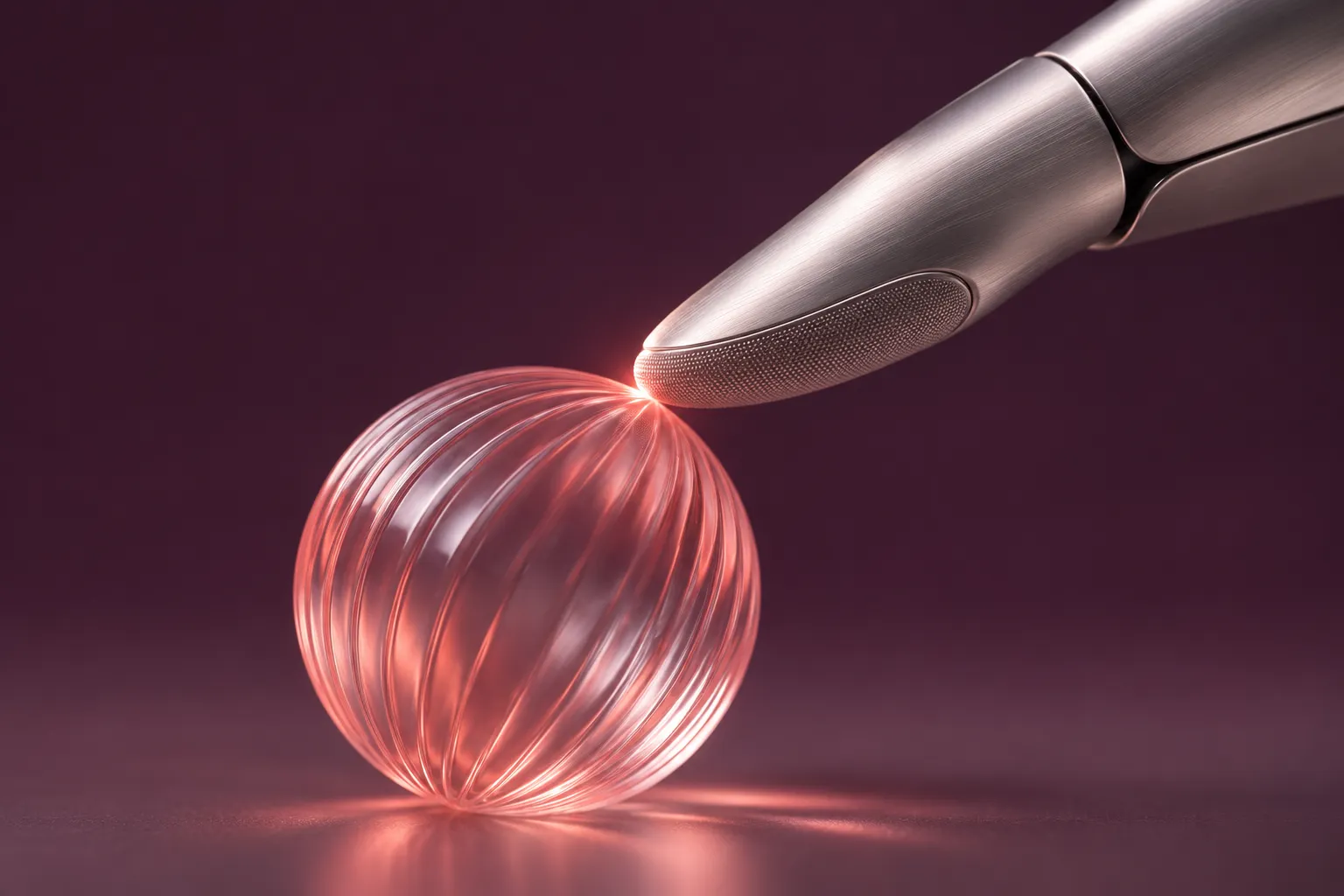
42 / Neural Edge
The missing return path: giving a robotic hand a sense of touch
Concept illustration · Semnal
Image notes
AI-generated editorial concept. Imagined metallic fingertip touching a ribbed glass sphere. It is not a photograph of the company’s product, an anatomical model or a measured research result.
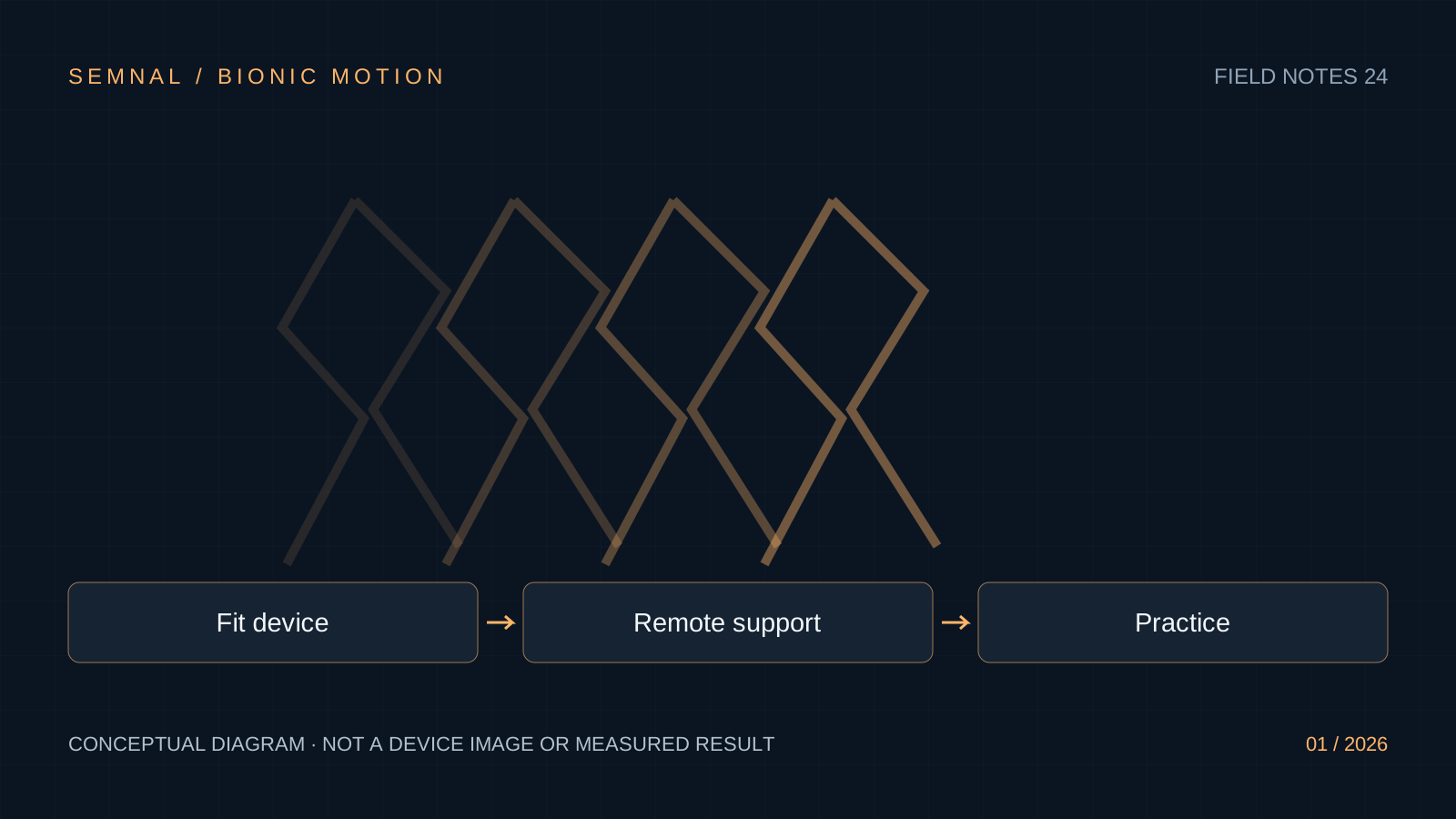
43 / Bionic Motion
What changes when rehabilitation leaves the laboratory?
Concept diagram · Semnal
Image notes
Conceptual diagram: Fit device → Remote support → Practice. Not a device photograph, anatomical model or measured result. Original explanatory vector diagram
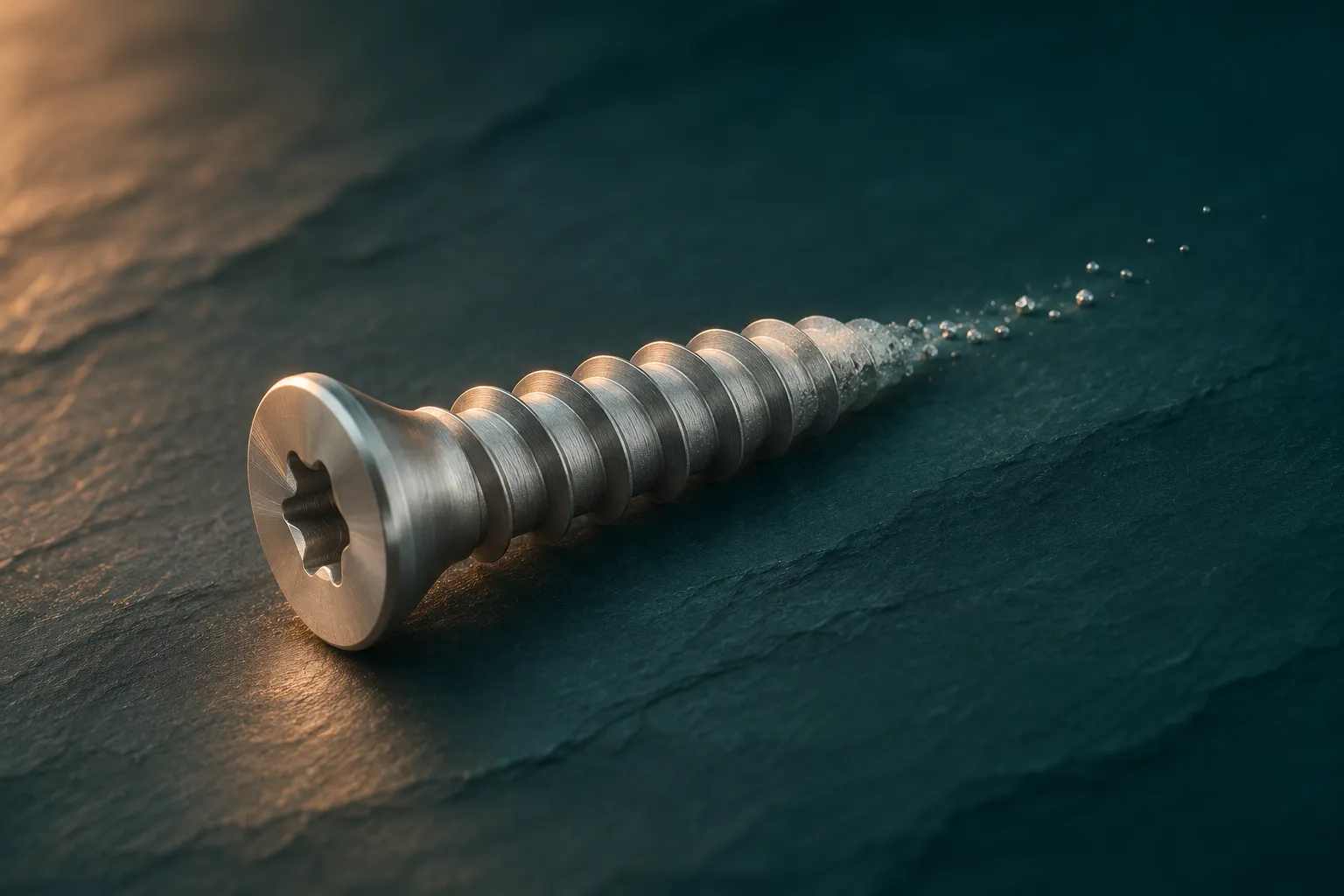
44 / Next Makers
Bioretec and the idea of a metal implant that does not stay
Concept illustration · Semnal
Image notes
AI-generated editorial concept. Imagined metallic screw transitioning into a symbolic trail of particles. It is not a photograph of the company’s product, an anatomical model or a measured research result.

45 / Next Makers
Lifeward: why the intended user matters as much as the robot
AI illustration · Semnal / AI illustration
Image notes
AI-generated editorial illustration of a fictional mature woman; not a study participant, company employee or product user. No health outcome is depicted.

46 / Sensory AI
What assistive AI learns when users shape the interface
Context photograph · Anna Shvets
Image notes
Context photograph about access to printed information. It does not depict Google Lookout, a product test or a diagnosis. Photo: Anna Shvets / Pexels. No endorsement implied.
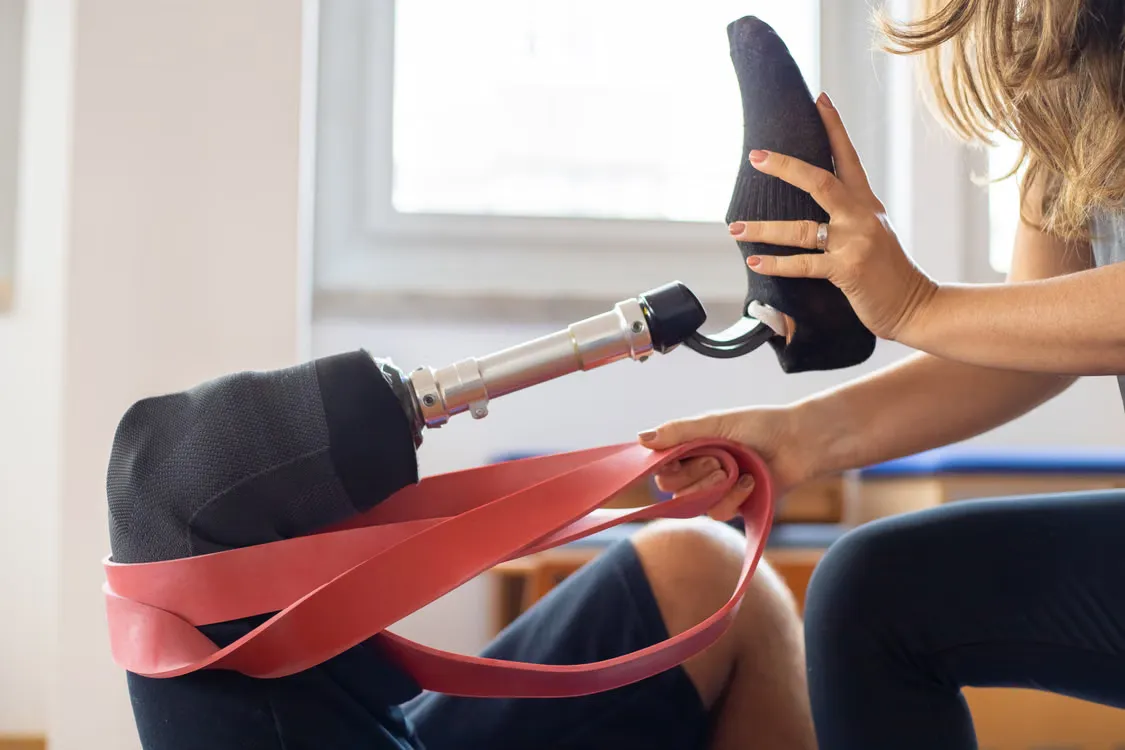
47 / Bionic Motion
Turning muscle intention into a powered knee movement
Context photograph · Kampus Production
Image notes
Context photograph of prosthetic support. It is not the MIT research knee, its surgical interface or its study participant. Photo: Kampus Production / Pexels. No endorsement implied.
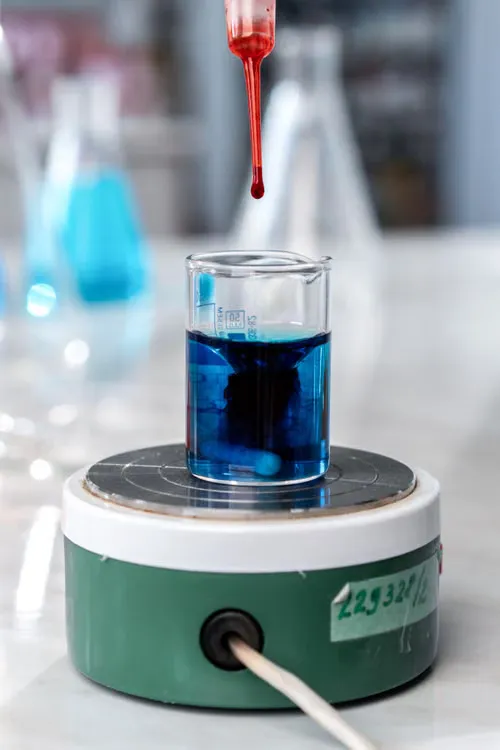
48 / Beyond Lab
The device label is the start of an access question
Context photograph · Ivan S
Image notes
Context photograph of laboratory materials. It does not depict a UK conformity assessment, authorised treatment or device test. Photo: Ivan S / Pexels. No endorsement implied.