



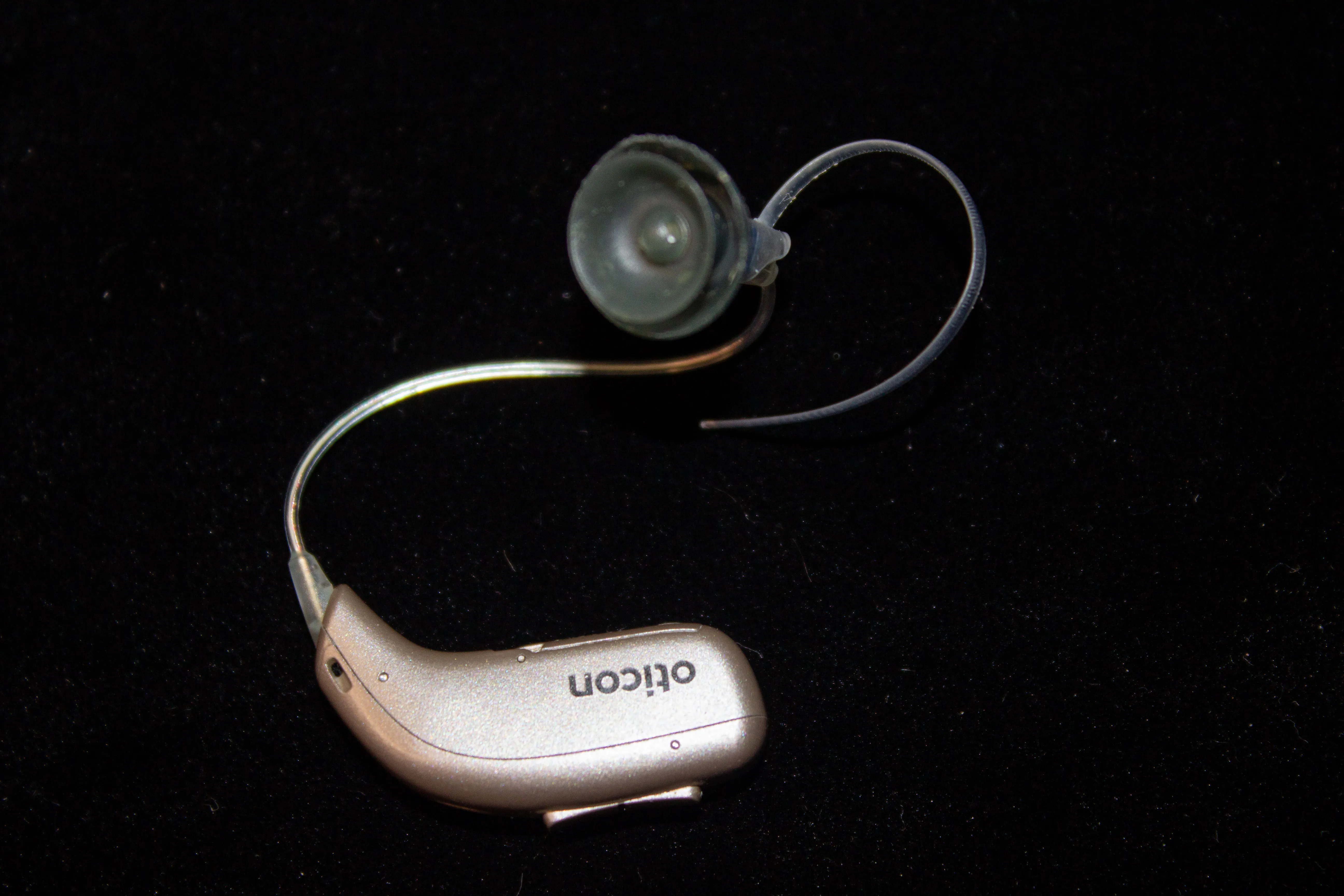
Sometimes a medical-device story begins with software already running on familiar hardware. The regulatory question then concerns a specific function and intended use—not a blanket endorsement of everything that hardware can do.
The specific US authorisation
In September 2024 the FDA authorised the first over-the-counter hearing-aid software device, designed for use with compatible versions of Apple’s AirPods Pro. The announcement identifies adults aged 18 and older with perceived mild to moderate hearing impairment as the intended population. It describes the regulatory decision and supporting evaluation; it does not make all headphones hearing aids or establish suitability for every hearing condition. FDA
Familiar hardware, a defined medical function
For readers, this blurs a familiar boundary between consumer electronics and clinical technology. It may change where someone first encounters hearing support, but a familiar brand does not remove the need to understand limitations. The software version, supported hardware and local availability are part of the story.
Access and evidence give this development its significance beyond a familiar brand. The important questions include what problem the function addresses, how it is adjusted, and when the person’s situation falls outside its intended use. A US decision should not be silently presented as a European or UK decision.
Availability is a separate question
Read the exact authorised function and its limitations. Longer-term accounts of use, support and communication outcomes would help establish what convenience delivers in practice. Convenience is worth examining, but it should not be used as a substitute for identifying the appropriate kind of hearing support.
Read the decision at the right scale
This is a September 2024 regulatory milestone, not a claim about every current headphone or software release. A subsequent model, function or market needs its own check. Our guide to FDA language explains why authorisation belongs to a defined device and use, rather than to a brand’s entire catalogue.
The idea in view
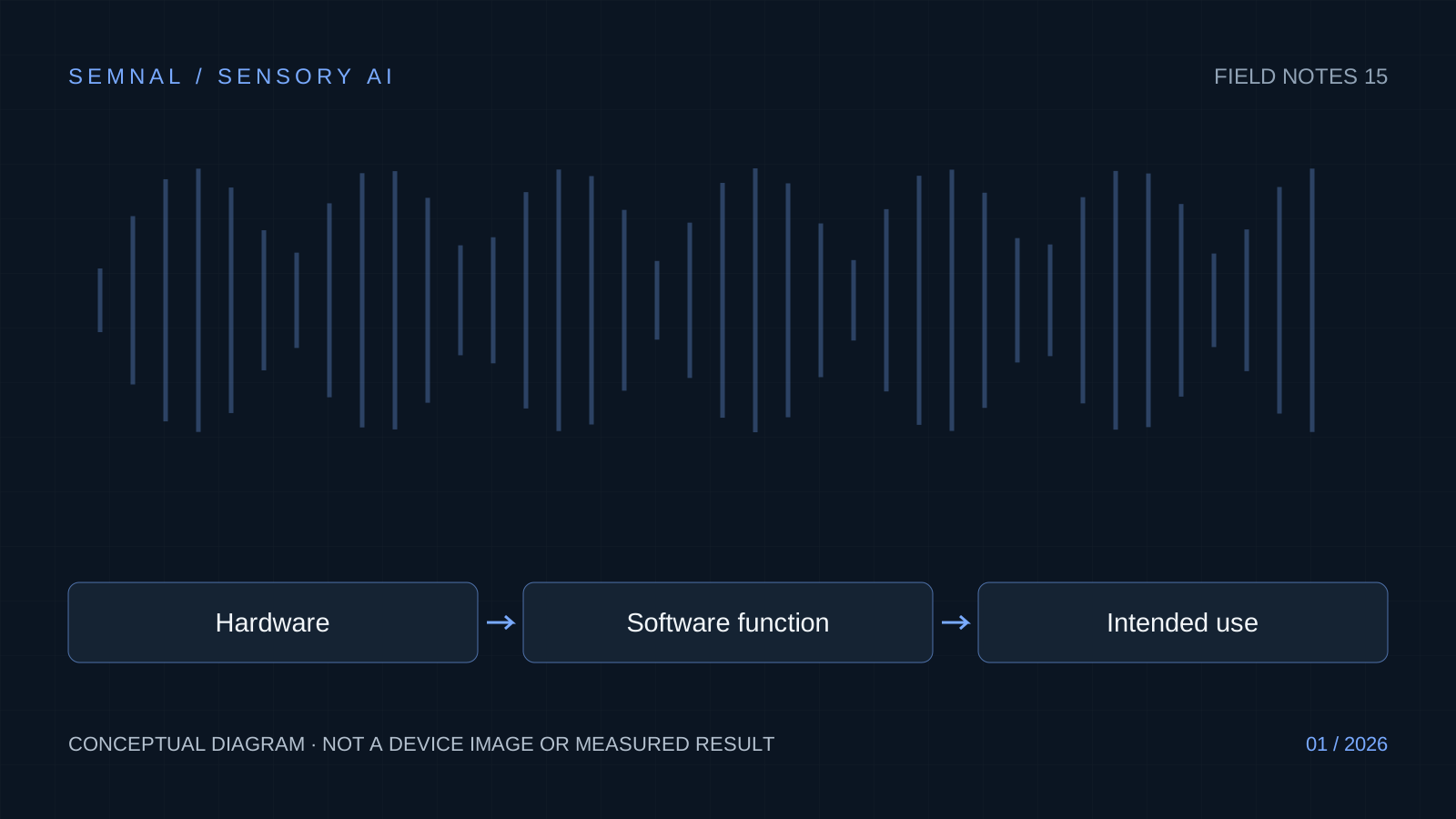
Original Semnal diagram. A simplified explanation, not a photograph of the device or a clinical result.
Sources and editorial note
Source note · 13 June 2026. Research dates refer to the original work. Prepared with AI assistance from the linked sources; no hands-on testing or interviews. Methods, disclosures and corrections.