



Balance is often discussed as an exercise problem. A different frontier asks whether electrical stimulation can replace some of the information normally supplied by the inner ear. An early vestibular-implant study shows why an impressive result still needs a careful account of the trade-offs.
Eight participants and a consequential trade-off
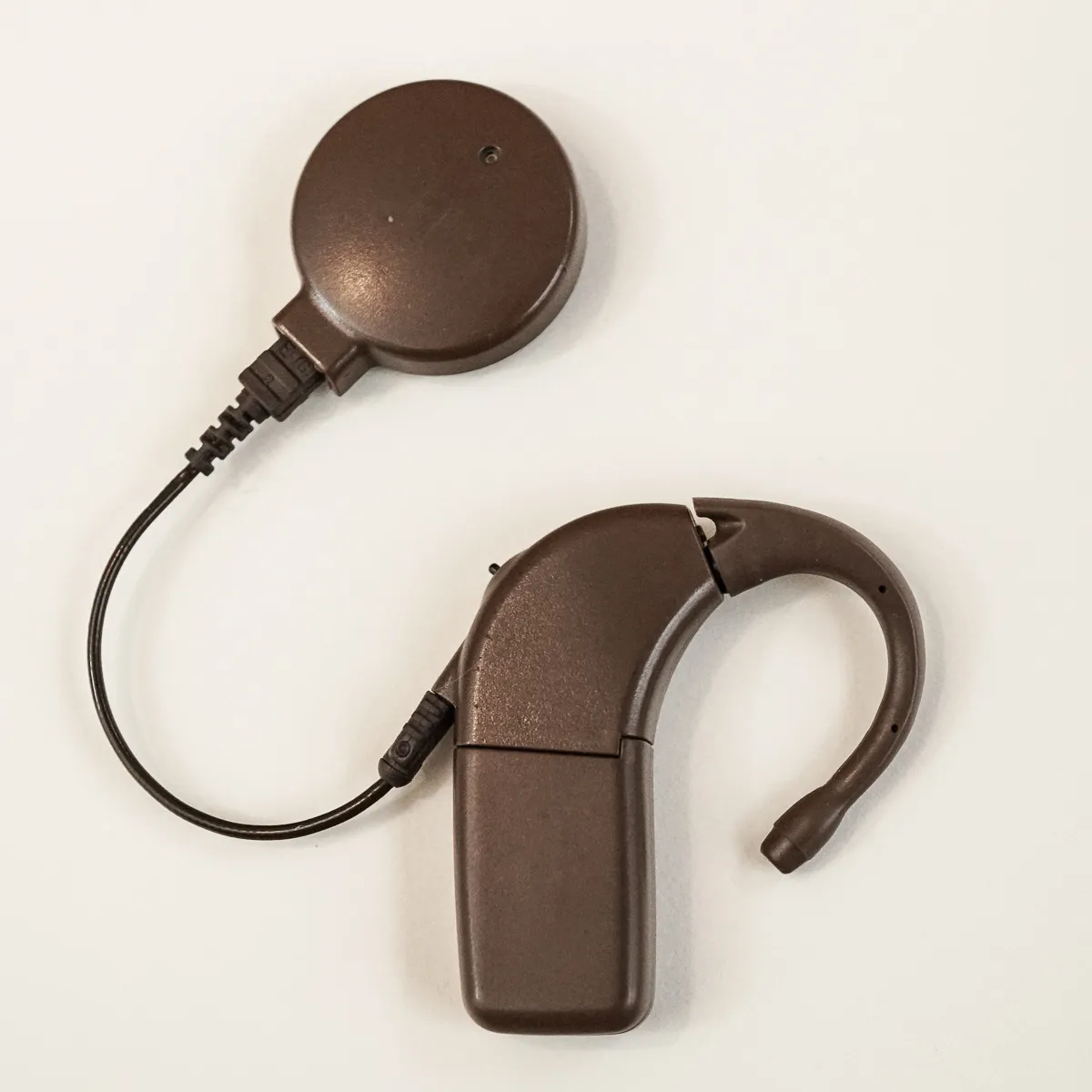
A 2021 study in the New England Journal of Medicine followed eight people with bilateral vestibular hypofunction who received an implant intended to convey head-motion information. Several measures of posture, walking and quality of life improved. Hearing in the implanted ear was reduced in all but one participant. This was a small early study, not evidence that such implants are appropriate for ordinary age-related unsteadiness. NEJM study record
Balance and hearing share the decision
For Semnal’s readers, the central issue is the relationship between two senses. A technology that helps balance but threatens hearing cannot be evaluated by a single mobility score. Someone’s remaining hearing, communication needs and tolerance of surgical risk would be integral to the decision.
This also illustrates why the diagnosis matters. ‘Feeling less steady’ is not the same description as the specific vestibular disorder studied here. The research opens an engineering route; it does not turn a broad symptom into an indication for surgery.
Two outcomes belong in the same sentence
The balance results and the hearing loss are not separate stories. They describe the benefit–risk problem created by intervening in a system where neighbouring functions matter to everyday life. An account that leads with improved walking and postpones the hearing result until the final sentence gives the reader an incomplete first impression.
The eight-person study cannot tell a reader what her own trade-off would be. It does show why a single score is insufficient. Better performance in a walking task could matter greatly, while a change in hearing could alter communication in ways that the walking test does not capture. Evaluating the intervention requires both kinds of outcome and the person’s priorities.
What exactly is being replaced?
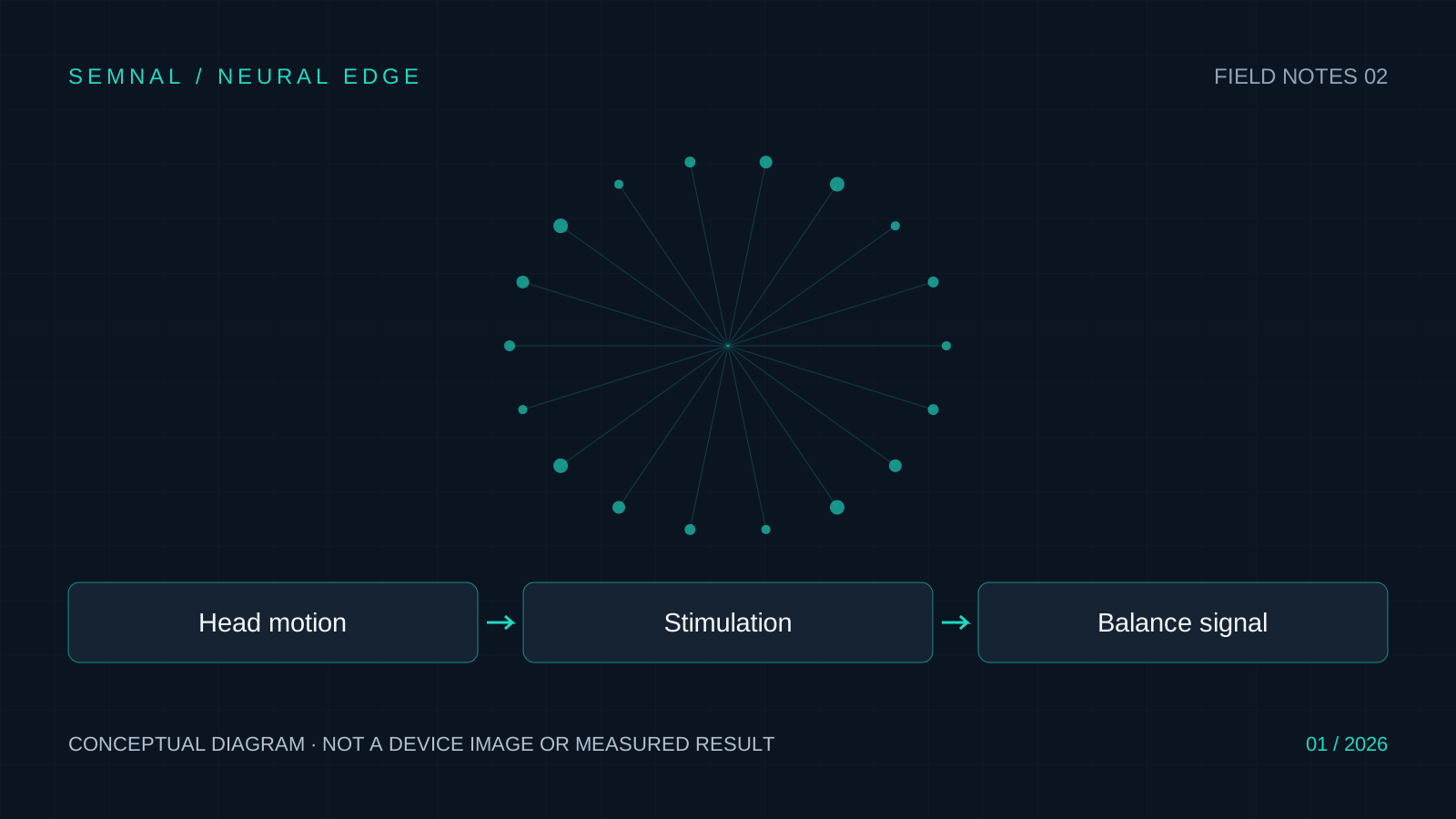
The proposed intervention supplies information related to head movement through electrical stimulation. That is different from a device that steadies the body mechanically or warns someone about an obstacle. The engineering target is a missing or unreliable sensory signal, not simply the visible symptom of being unsteady.
This distinction is helpful when comparing technologies. An exosuit may add force; a balance implant aims to influence sensory information; a navigation tool may describe the environment. All can appear in a discussion of mobility, but their mechanisms and intended users are different. A publication should not rank them together as though they were interchangeable solutions to getting older.
A reader’s route through the evidence
Start with the diagnosis in the study, then the intervention, then the outcomes and harms. Only after those steps does the question of personal relevance become meaningful. The ordinary phrase balance problem is too broad to establish that connection on its own.
For women following sensory technology, this study is particularly useful because it makes a difficult design constraint visible. Progress in one function can place another function at risk. The challenge is not merely to make stimulation more powerful or a device smaller. It is to improve the combined experience for a person whose senses work together throughout the day.
A convincing follow-up would make hearing preservation and sustained balance benefit equally visible. It would also explain the demands of surgery, adaptation and ongoing care. The study belongs in a frontier publication because it reveals a new technical possibility and a substantial unresolved problem. Reporting both is more informative than treating the implant as either a miracle or a failure.
What better evidence would need to show
The next persuasive evidence would examine benefit and hearing preservation together, over longer follow-up and in a larger group. Results for women across older age groups would help clarify relevance beyond the average participant.
Sources and editorial note
Source note · 26 April 2026. Research dates refer to the original work. Prepared with AI assistance from the linked sources; no hands-on testing or interviews. Methods, disclosures and corrections.