

The moment of rising from a chair deserves a place in the future of robotics. It is brief, familiar and easy to overlook beside dramatic walking demonstrations. A 2026 soft-exosuit study treats that transition as an engineering problem in its own right.
Ten participants, two measurable gains
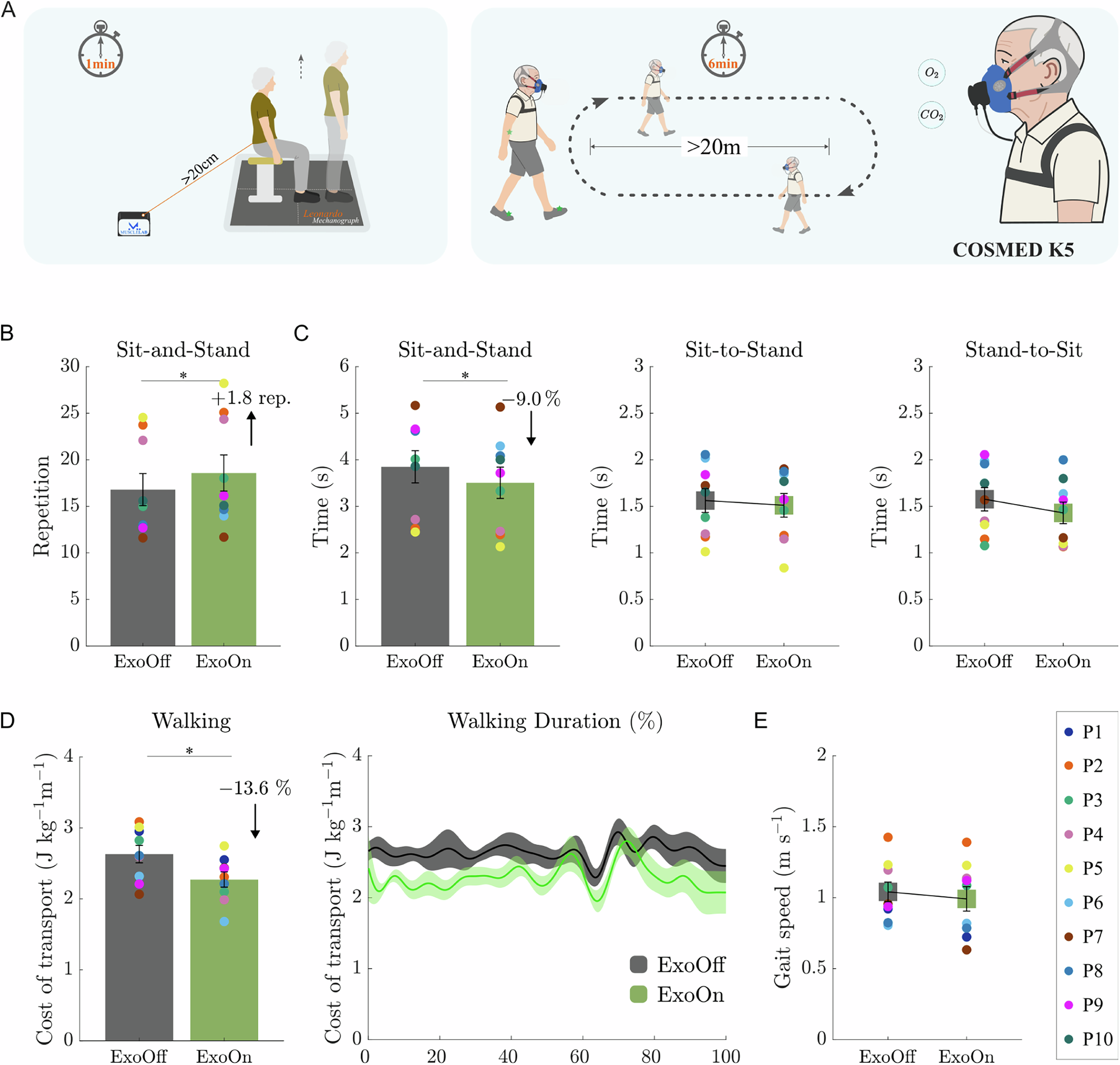
Zhang and colleagues tested a soft hip exosuit with ten adults aged 69–85, including six women. The Nature Communications feasibility study reported an average 1.8 additional repetitions in a one-minute sit-to-stand test and a 13.6% reduction in walking metabolic cost compared with the unassisted condition. Each of those outcome analyses included nine participants; the exclusions differed by measure. This was a small, supervised study, not a long-term test of independent home use. Nature Communications
Why the participant group matters
This is unusually relevant to Semnal’s audience because older women were actually represented. Representation is not the same as a reliable women-specific result, however: six women cannot settle how benefit varies across health conditions, body shapes or levels of mobility.
The engineering interest is that rising and walking are different tasks. Assistance must arrive at the appropriate moment without taking away the user’s sense of control. Our editorial assessment would give equal attention to wearing the suit, putting it on, sitting comfortably and choosing when to stop using it.
The comparison behind the headline
The comparison was assistance switched on versus assistance switched off while participants wore the suit. It was not a comparison between buying a robot and going about daily life without one. That detail matters: an experiment can isolate what the assistance contributes while leaving the burden of wearing the complete equipment unresolved. The paper’s methods describe practice before testing and rest between conditions. The result belongs to that supported procedure. Study methods
The two headline outcomes also answer different questions. Additional chair rises measure performance within a fixed minute. Lower energy cost measures the energy required to move over a distance. Neither result is a percentage reduction in falls, and neither tells us that a participant could suddenly walk 13.6% farther through a city. Those would be separate outcomes to measure.
From a chair test to a useful morning
Consider a hypothetical morning involving breakfast, a bus journey and a visit to a friend. Standing happens repeatedly, but between those moments a person sits, turns, reaches for a bag and waits. A suit that helps one movement must coexist with all the others. This is why the transition between sitting and walking is a meaningful research target: it treats mobility as a sequence, rather than a single impressive stride.
For a future evaluation, a useful comparison would include the whole routine, including putting the suit on and taking it off. The question is whether the assistance saves enough effort to justify the extra steps. Some users may value a small gain highly; others may find the equipment inconvenient. Those preferences cannot be supplied by an average energy measurement.
Why this belongs on the front page
The distinctive contribution is the combination of an everyday task and an older participant group. It gives the research a clearer connection to later-life mobility than a demonstration confined to young, highly trained volunteers. It also creates a concrete next test: can the same benefit survive less controlled use without shifting too much work to the wearer?
That is a stronger editorial reason to follow the project than the appearance of futuristic clothing. The useful breakthrough would be assistance that fits into a person’s own decisions about when to move, rest and leave the house. For now, this study supplies an encouraging piece of that argument, with measurable gains and a clearly bounded setting.
The home-use question remains open
The next evidence should show whether gains persist outside a supervised session and whether users find the complete system worthwhile. Falls, durability, setup and sustained use remain distinct questions. The study makes everyday transitions a credible research target; it does not yet establish a household solution.
Research image and context
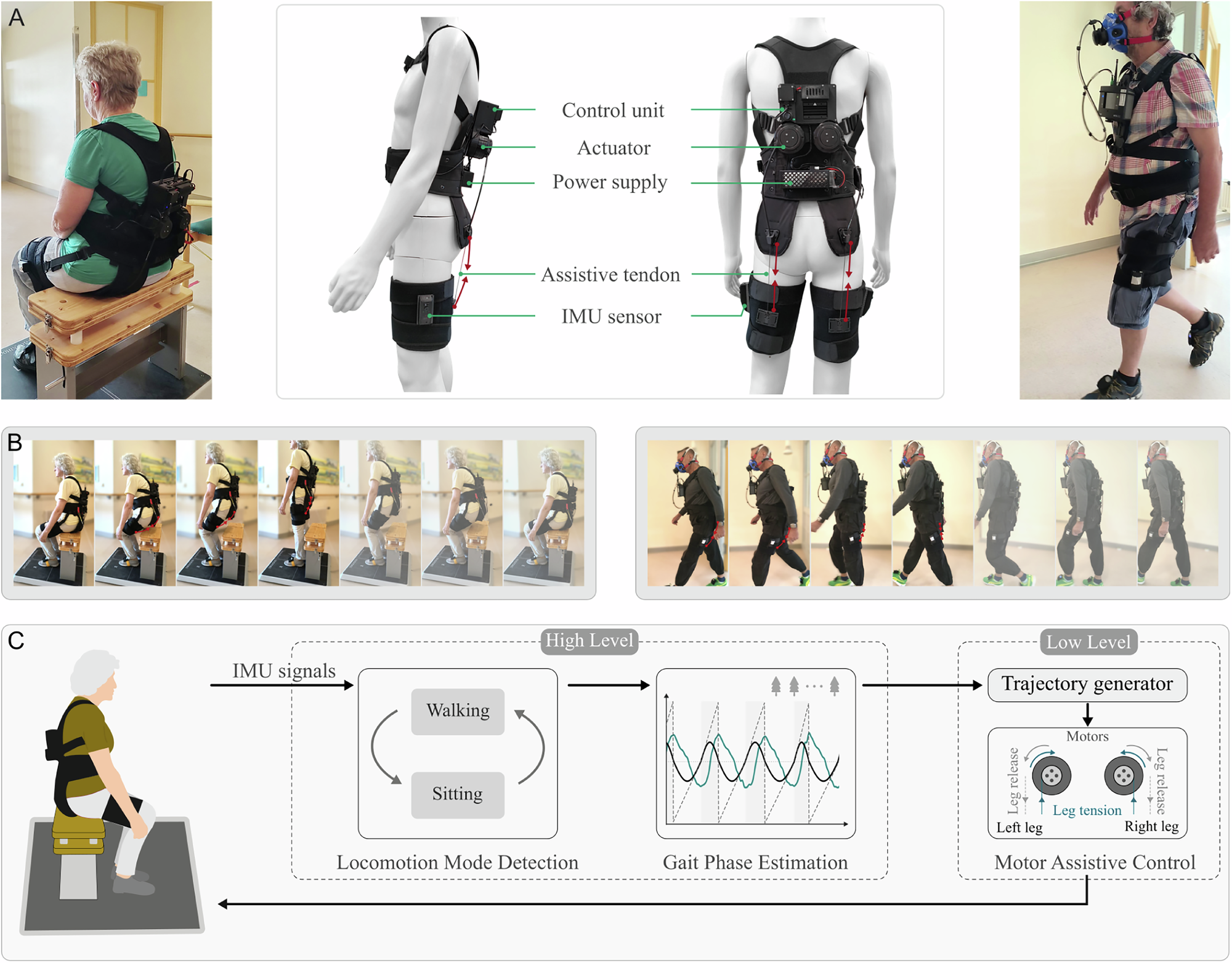 View original image · Full resolution (2.0 MB)
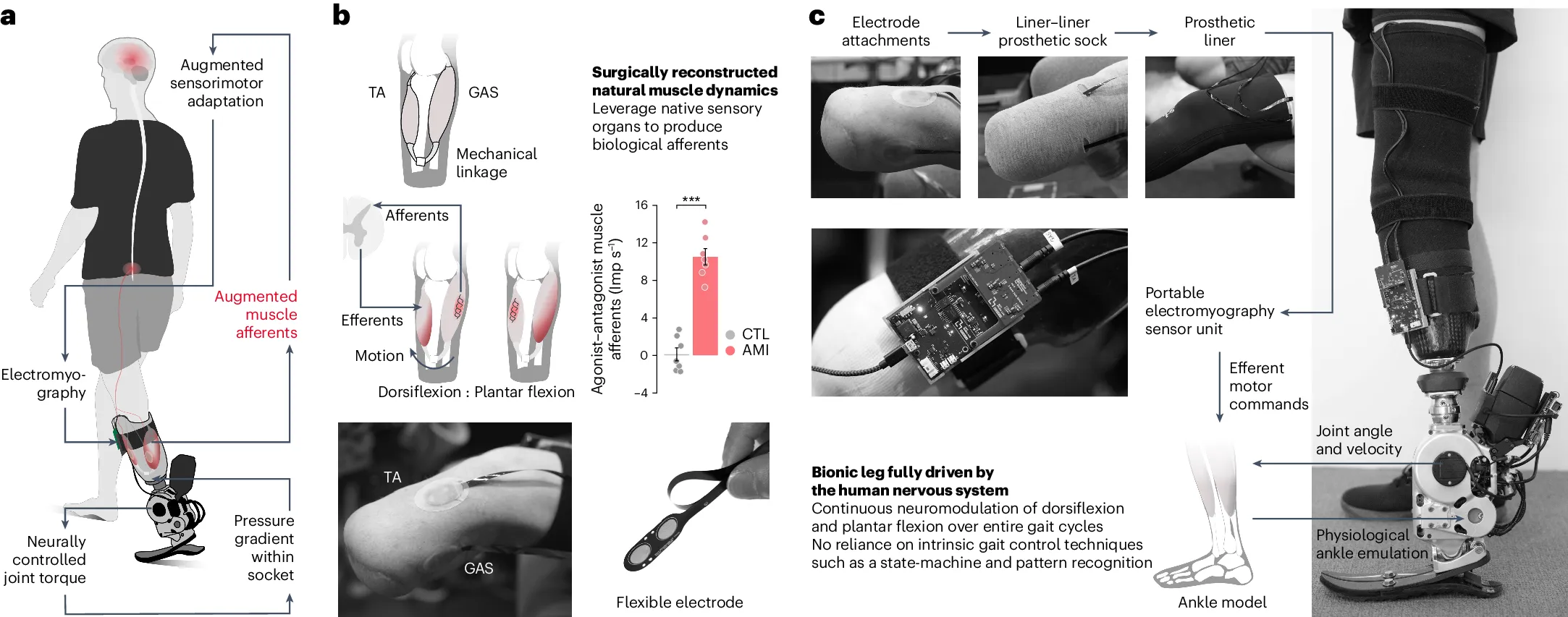
Figure 1 from the linked original research article. Read the full caption and methods at the source. Original research figure; unaltered apart from responsive image encoding. Credit: Zhang et al.. CC BY 4.0.
The idea in view
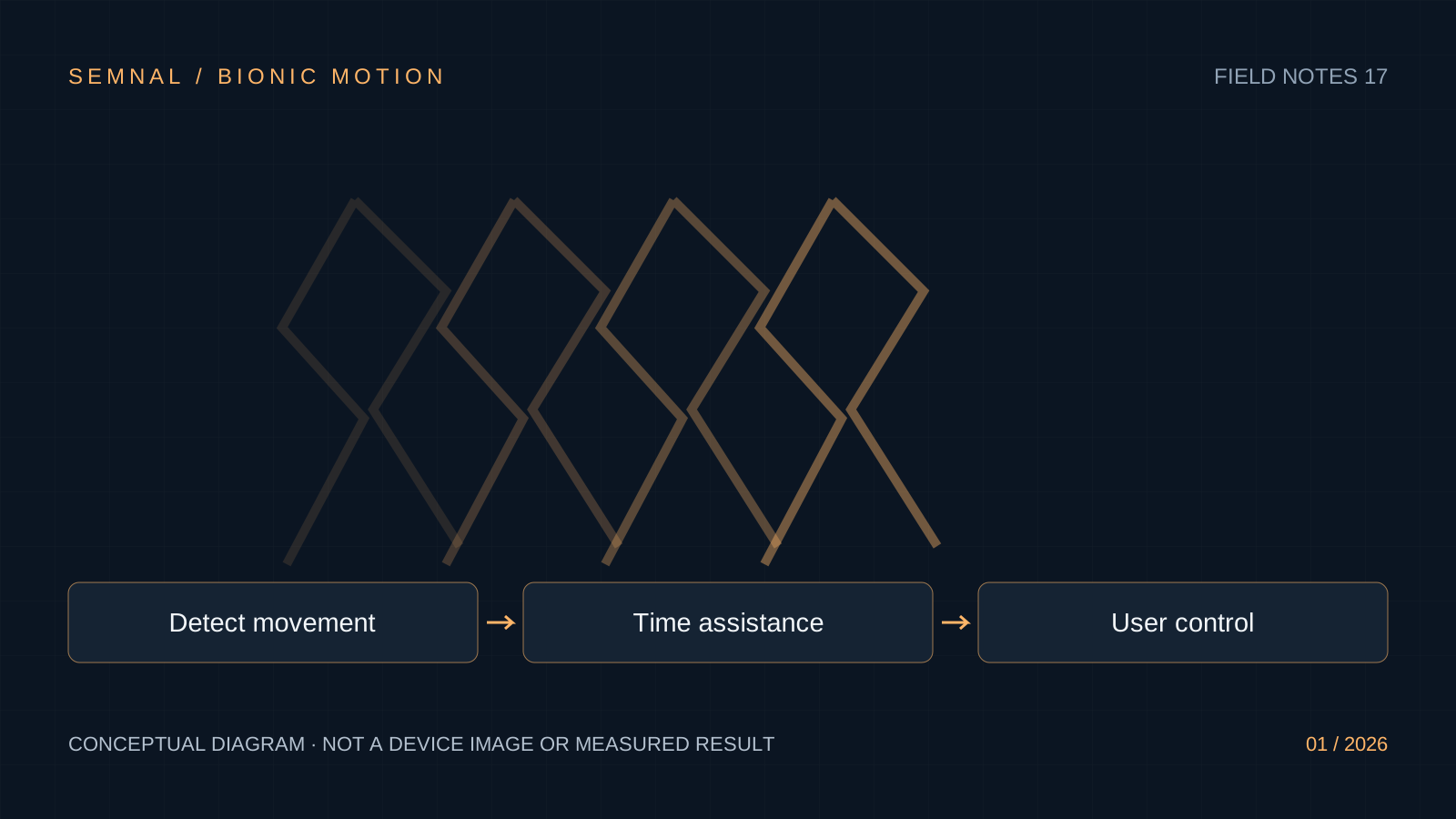
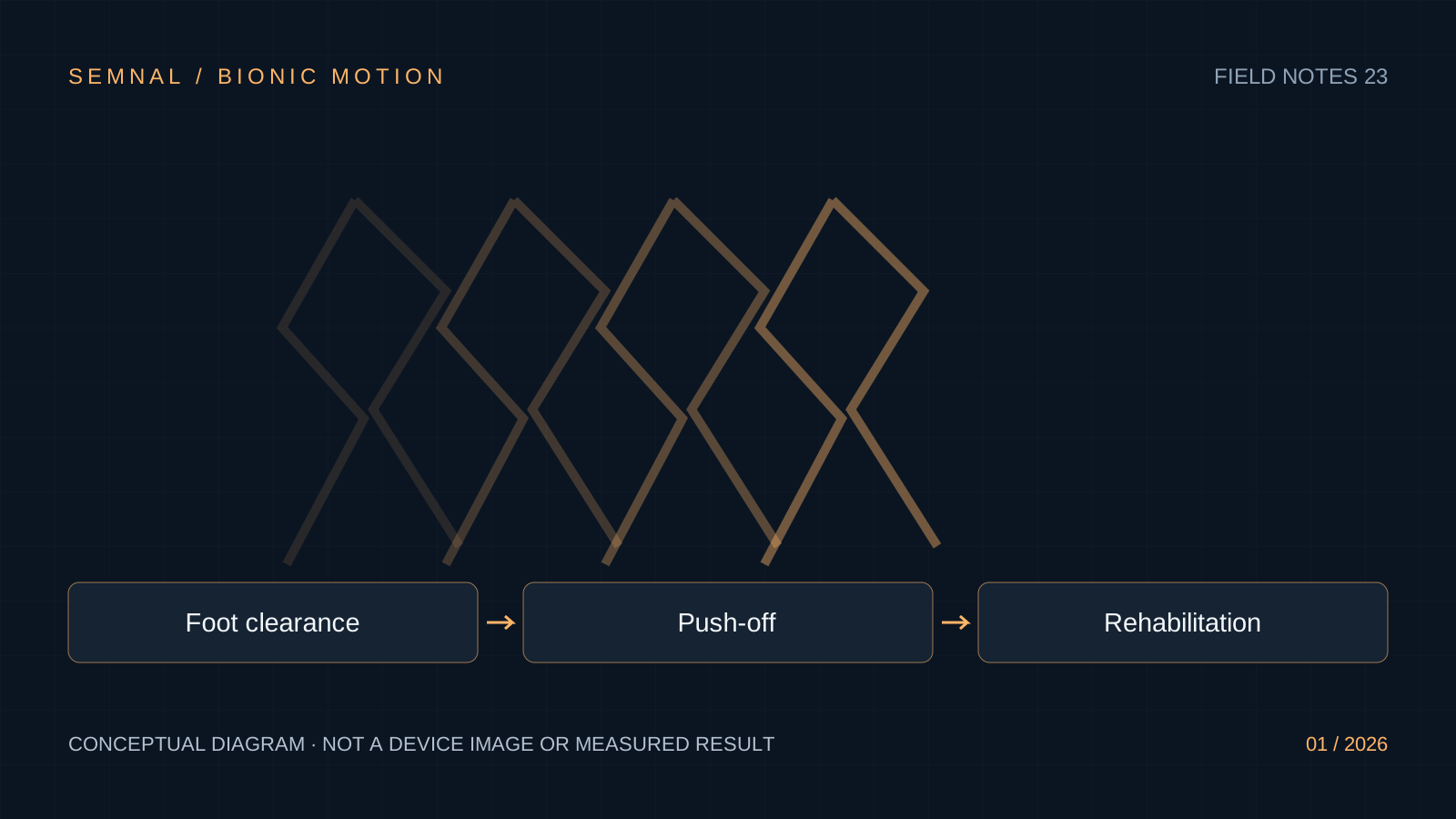
Original Semnal diagram. A simplified explanation, not a photograph of the device or a clinical result.
 View original image · Full resolution (0.8 MB)
Zhang et al., original research figure, CC BY 4.0. Reproduced without content changes. See the linked paper for the complete caption and methods.
Sources and editorial note
Source note · 25 September 2026. Research dates refer to the original work. Prepared with AI assistance from the linked sources; no hands-on testing or interviews. Methods, disclosures and corrections.