



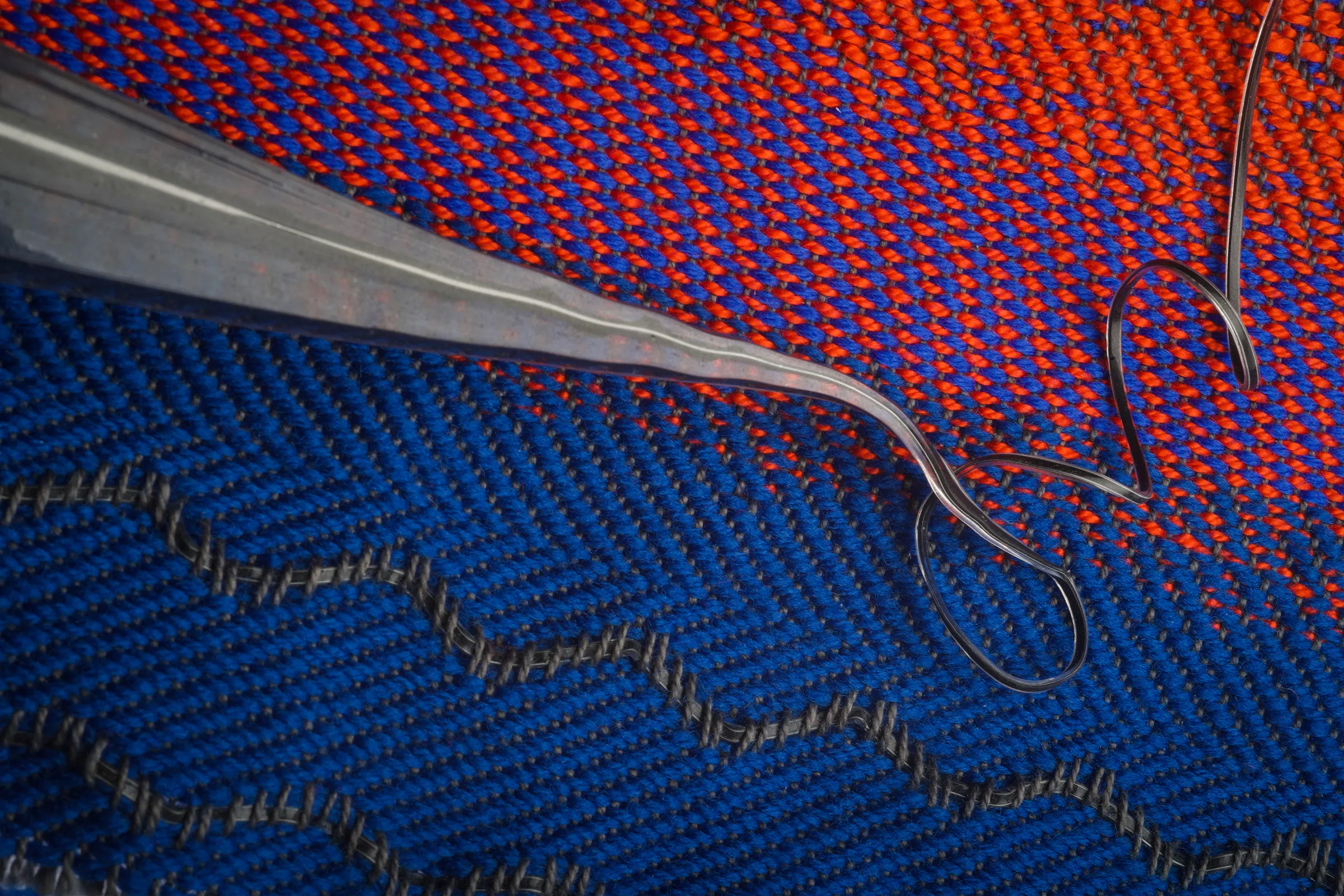
A fabric that detects sound changes the microphone’s physical form. Instead of a rigid object attached to clothing, the sensing element can become part of the textile itself. The engineering begins with vibration, not with language understanding.
Vibration becomes an electrical signal
MIT’s 2022 report describes acoustic fabric incorporating a piezoelectric fibre that converts mechanical vibration into an electrical signal. The research explores sound detection through textile construction. It is a materials prototype, not a hearing aid, and it does not establish that a garment can improve conversation for someone with hearing loss. MIT News
Clothing is an interface, too
The idea is compelling because clothing already occupies useful positions near the body. Yet the signal would have to be interpreted in the presence of movement, rubbing and the wearer’s own actions. A textile microphone also raises questions about when recording occurs and who controls it.
For our readers, this is a background technology worth understanding rather than a purchase opportunity. It may influence how future devices are designed, but comfort, laundering, durability and privacy would all need to be addressed by the eventual application. A new material is not automatically a complete service.
Can the textile remain a textile?
Look for evidence that sensing remains consistent after ordinary handling and repeated use. Care requirements belong in that assessment: a sensing function is less useful if it makes clothing impractical to maintain. The frontier is integration: preserving the useful qualities of fabric while adding measurement that people can actually trust.
Sensing sound is different from suppressing it
The sound-suppressing silk project explores changing how sound travels. This fabric explores detecting it. The two can look similar in a photograph because both use textiles, yet their purpose differs. Keeping input and output separate helps prevent the appealing phrase smart fabric from concealing what a material actually does.
The idea in view
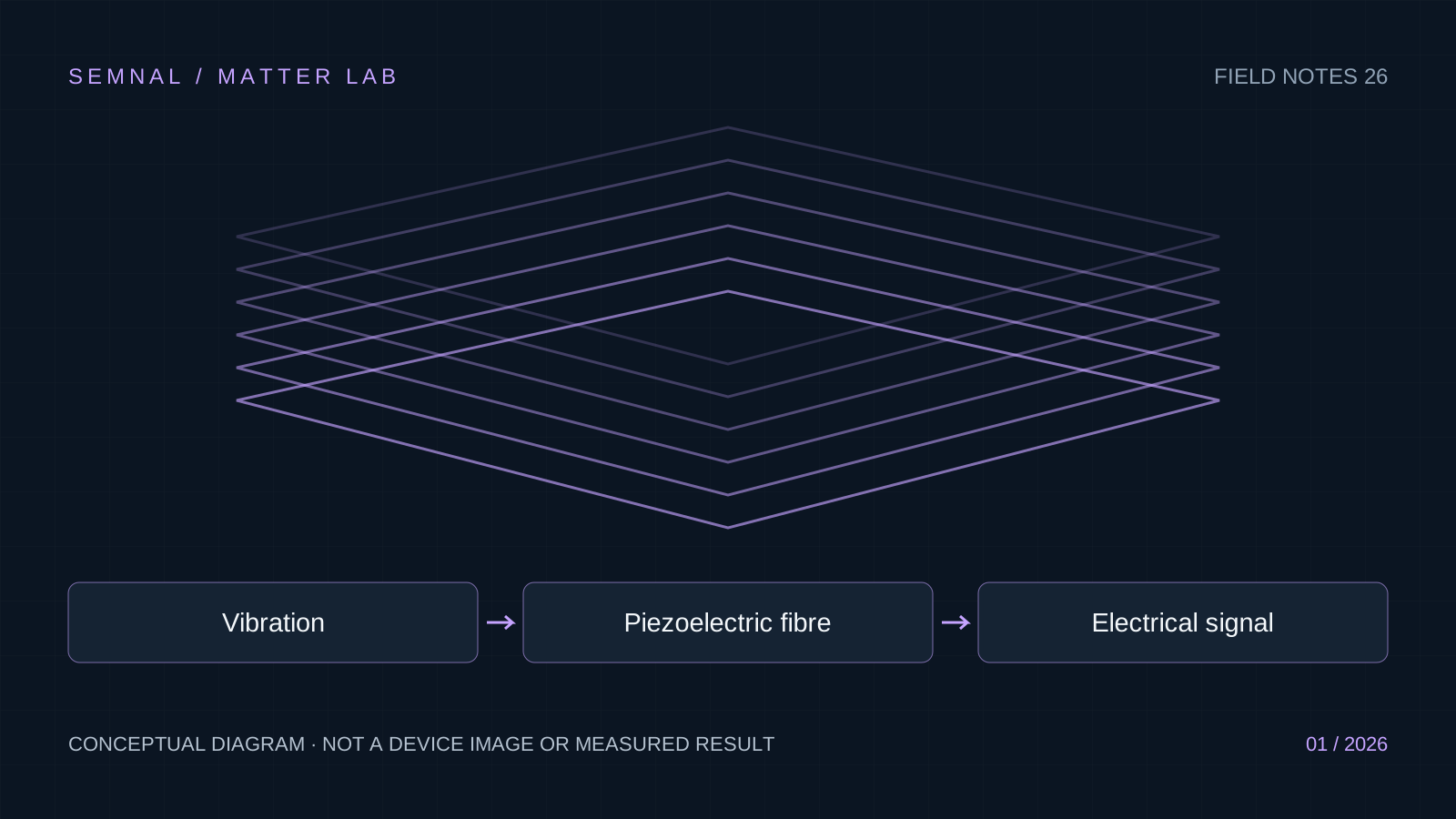
Original Semnal diagram. A simplified explanation, not a photograph of the device or a clinical result.
Sources and editorial note
Source note · 26 May 2026. Research dates refer to the original work. Prepared with AI assistance from the linked sources; no hands-on testing or interviews. Methods, disclosures and corrections.