



Semnal / First edition
Evidence before enthusiasm
Our standard is to make progress understandable without turning possibility into a promise.
Sources and interpretation
We prioritise original papers, regulator records, trial documentation and research-team materials. Manufacturer accounts are labelled as such. Institutional reports help explain research but are not independent product tests. Each article links its sources and separates evidence from our interpretation and questions.
Research stages and dates
A prototype, feasibility study, clinical evaluation and market-authorised device are different stages. Historical milestones are identified as background rather than presented as breaking news. Edition dates organise the first-edition archive; they do not indicate earlier public availability. Each article separately identifies its first public release date, which is also used in the RSS feed and publication metadata. Source-note dates follow the edition schedule; they are not a dated log of source checks. A trial listing is not evidence of success. A regulatory decision in one country does not establish access in another.
Women over 50
We ask who participated, including age and sex where reported. Missing subgroup evidence remains a limitation. We do not infer benefit from an appealing design, and we do not treat a small subgroup as definitive. Our focus includes autonomy, usability and meaningful everyday outcomes.
AI and editorial responsibility
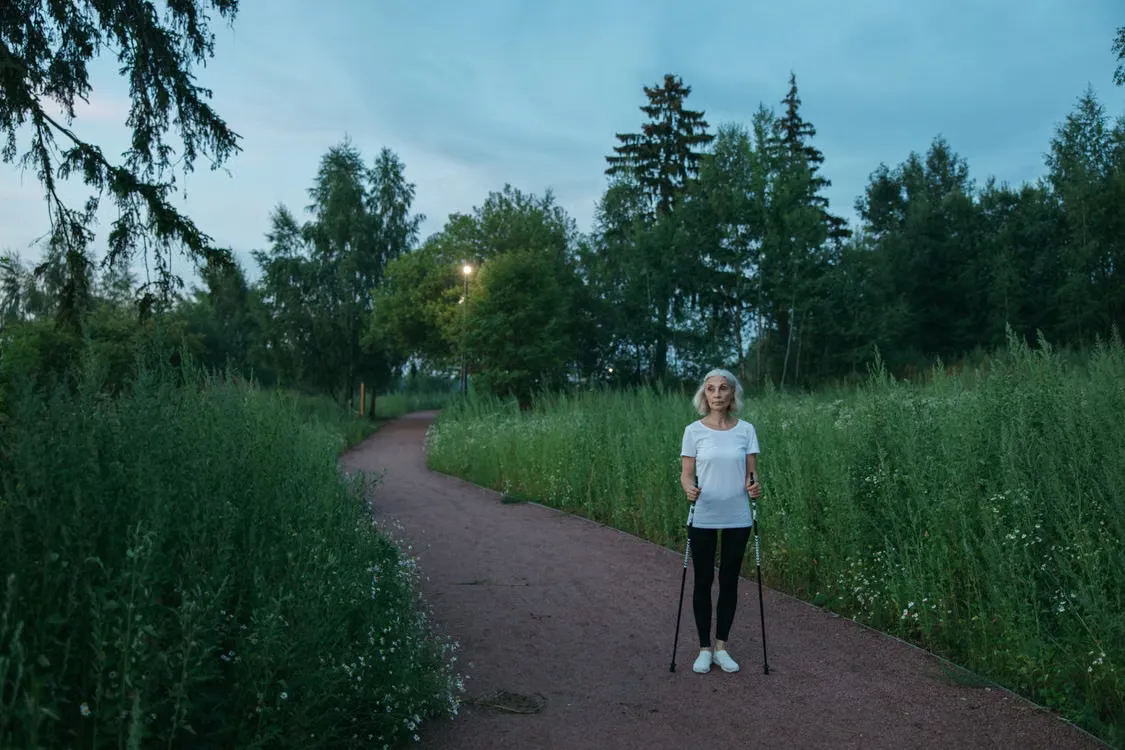
AI assisted the research organisation, drafting, coding and original explanatory diagrams and clearly labelled conceptual cover illustrations in this edition. Source-linked factual claims have been checked during preparation, but this is not external scientific peer review. Editorial responsibility remains with the publisher. No AI-generated photograph is used to represent a real device, person or experiment. Fictional mature-woman portraits and imagined technology scenes are identified as AI illustrations in their article captions; they do not document a trial or imply endorsement.
Images and rights
Every reused image has a recorded source, creator and licence. Background photographs are identified as contextual. Original diagrams are conceptual, not measured results. MIT News photographs in this edition carry noncommercial restrictions; they require reassessment before commercial reuse. See the image register. Silence about copyright is not permission.
Corrections and independence
Send an article URL, the disputed statement and supporting evidence to hello@thesemnal.com. Substantive corrections should be dated and described on the article. Company coverage is not an endorsement or an offer of treatment. Medical decisions require appropriate individual professional advice.