




For an artificial cornea, the boundary with living tissue is as important as the transparent centre. CorNeat’s KPro programme puts integration at the centre of a device intended for a particular group of people with severe corneal disease.
The company’s stated investigational status
CorNeat’s product page describes the KPro artificial cornea and its tissue-integration approach. It also explicitly identifies the device as investigational and not approved for commercial sale, with safety and effectiveness under clinical evaluation. Those statements define the limits of this company profile. Future trial plans on a company page are not evidence that a trial has begun or succeeded. CorNeat Vision
The boundary between tissue and device
The clinical target should stay visible. A corneal implant addresses a different part of the eye from a retinal implant, and neither is a universal solution to reduced vision. For women over 50, the value of this story is understanding the technical route and the questions it must answer.
Evidence of integration needs a defined measurement, follow-up and comparison with relevant alternatives. Complications belong in the same account. A compelling material concept is not enough to establish that the complete procedure is appropriate for a particular reader.
Integration is the engineering question
An artificial cornea needs a transparent optical element, but it also needs a workable relationship with the surrounding tissue. CorNeat’s public description centres on that interface. The interesting question is not only what light can pass through the device, but how the complete implant and procedure can remain useful over time.
The company describes a synthetic cornea intended for corneal blindness and a tissue-integrating structure around it. Its website also states that the device is investigational and not approved for commercial sale. The latter statement should govern the way the former is reported. Descriptions of intended advantages are not a substitute for established comparative outcomes. Company product page
A patient story does not answer every clinical question
The company presents an early patient story from 2021. Such an account can make the purpose of research tangible, but it cannot establish how often the same outcome occurs, which patients are most likely to benefit or what the longer-term complication profile will be. Those questions require a defined study population and follow-up.
This distinction is particularly important in vision coverage because a dramatic moment of seeing can be emotionally powerful. A responsible article can recognise that significance while still asking about the number of people treated, the conditions of the assessment and the outcomes that did not fit the headline. Human interest and careful evidence are compatible when each is identified for what it is.
Do not merge different kinds of vision loss
Corneal disease concerns a different part of the visual system from the retinal disease targeted by PRIMA. A regulatory development for a retinal implant says nothing about the status of an artificial cornea. Likewise, the results of a collagen corneal pilot cannot be transferred to a synthetic device with a different design and procedure.
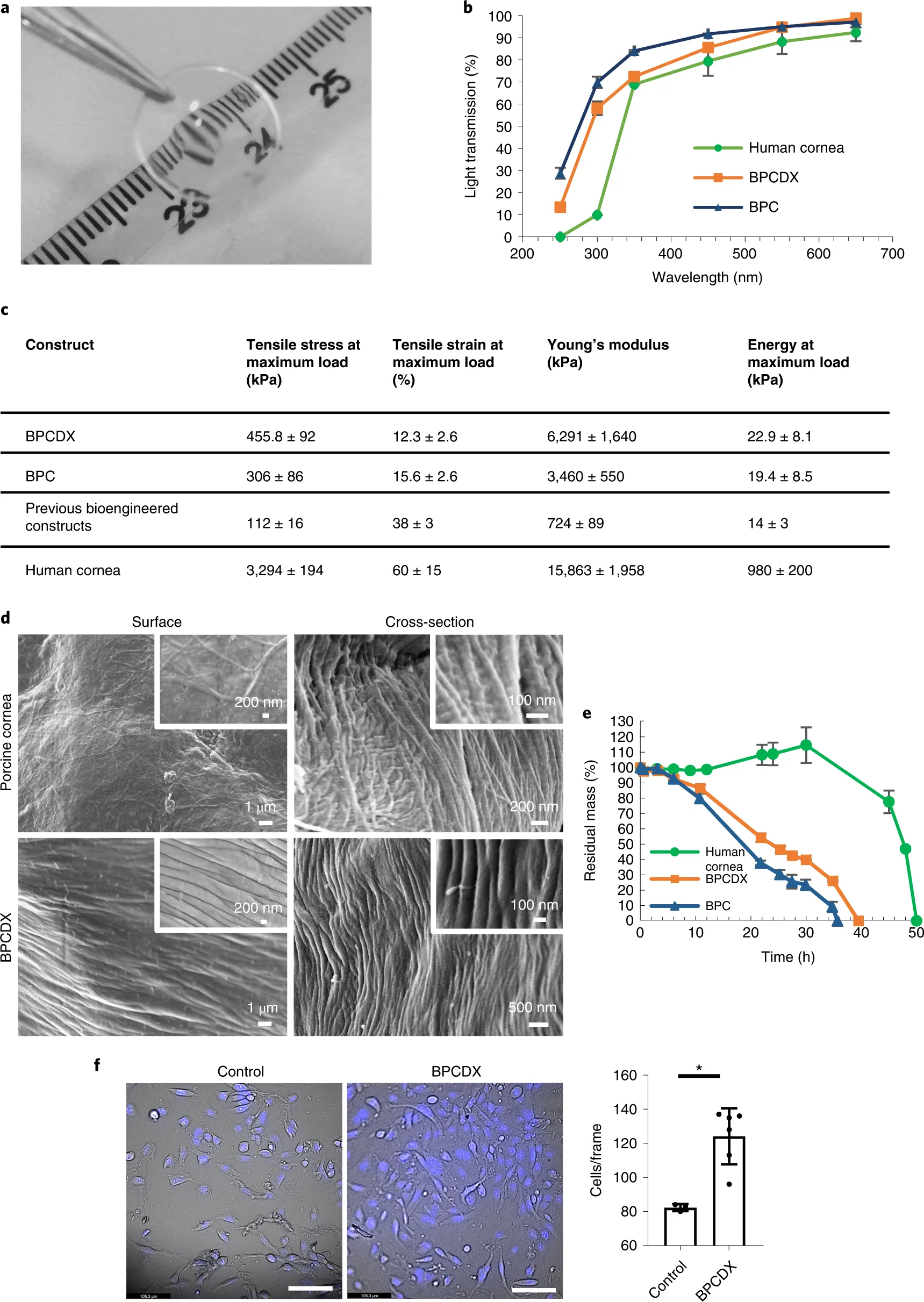
The companion collagen-implant feature helps explain that second distinction. Both stories belong in materials coverage, but they investigate different ways of addressing a tissue problem. Reading them together should sharpen the differences rather than create the impression of one interchangeable category of replacement eyes.
What a stronger evidence package would contain
A useful next account would identify the trial, participant criteria, number treated, follow-up duration, visual outcomes and complications. It would also distinguish completed work from planned recruitment. These are the practical details that turn a company narrative into a clinical evidence story.
For women interested in future vision technology, the company is worth following as a specific investigational route. The article does not establish a current treatment option or individual suitability. The meaningful next milestone is a clearer, publicly assessable record of how the complete intervention performs—not simply another statement that the material is promising. An independent profile earns its place by explaining that gap and updating it when the evidence changes.
Published outcomes are the next milestone
The next milestones are published clinical results and explicit regulatory updates, with dates and countries. Until then, the accurate description is a company developing an investigational device. This is a public-source analysis, not an invitation to purchase or a recommendation to seek the procedure.
Sources and editorial note
Source note · 2 June 2026. Research dates refer to the original work. Prepared with AI assistance from the linked sources; no hands-on testing or interviews. Methods, disclosures and corrections.