

Cionic’s Neural Sleeve brings sensing and electrical stimulation into a wearable format. The interesting company question is whether integrating these functions makes assistance more responsive and manageable for people with a defined walking impairment.
What the company measured
Cionic’s research page describes work on foot drop, including paired walking tests with and without stimulation and a pilot involving people with multiple sclerosis. The company’s account focuses on ankle movement measures such as dorsiflexion and inversion. These are manufacturer-reported research summaries; they should not be converted into proof of fewer falls or lasting recovery without studies measuring those outcomes. Cionic
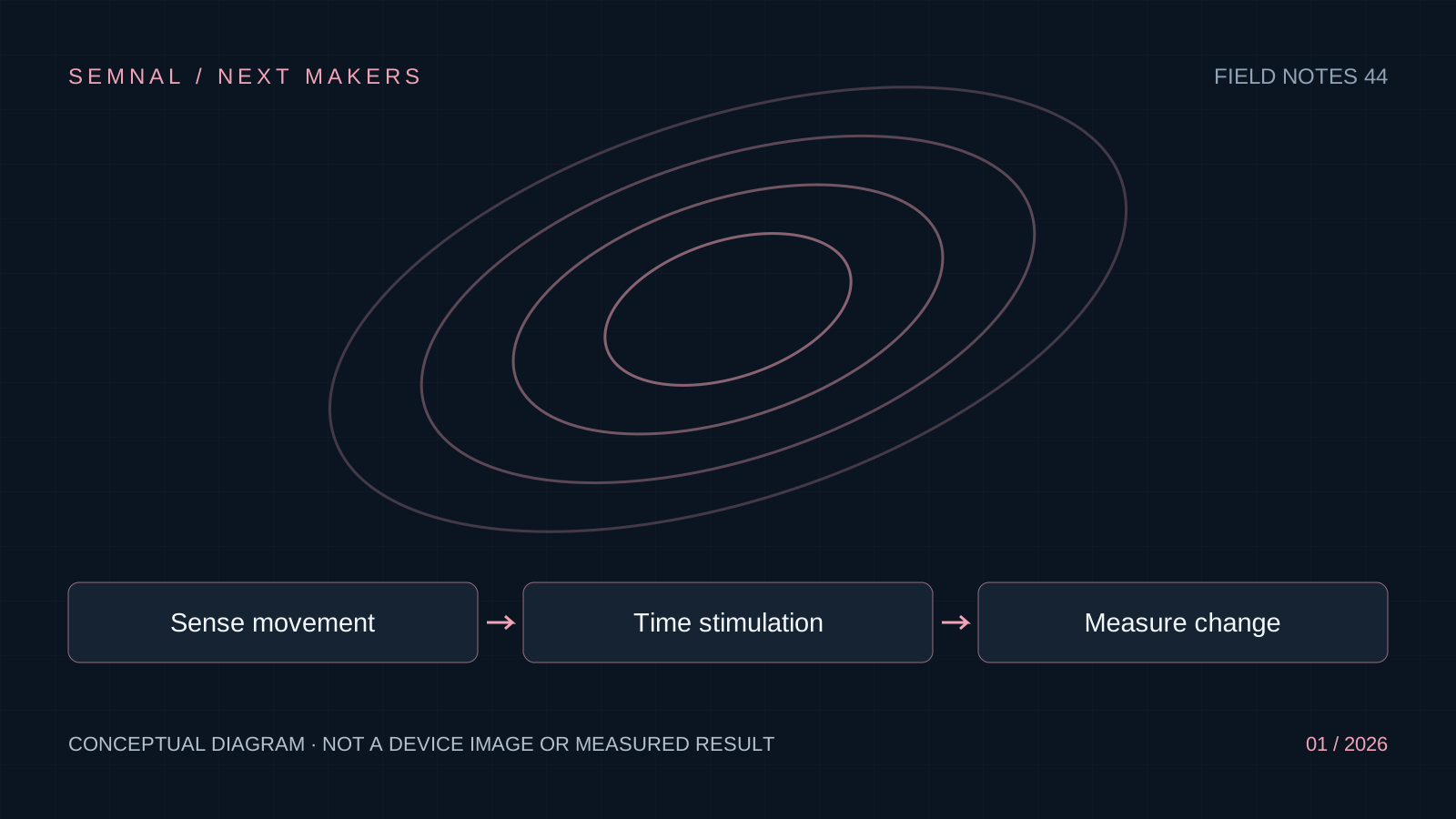
The system senses and acts
The sleeve illustrates the difference between detecting movement and acting on it. A useful system must deliver stimulation at an appropriate time and allow settings to be managed for the individual. Clothing-like packaging does not make that clinical question disappear.
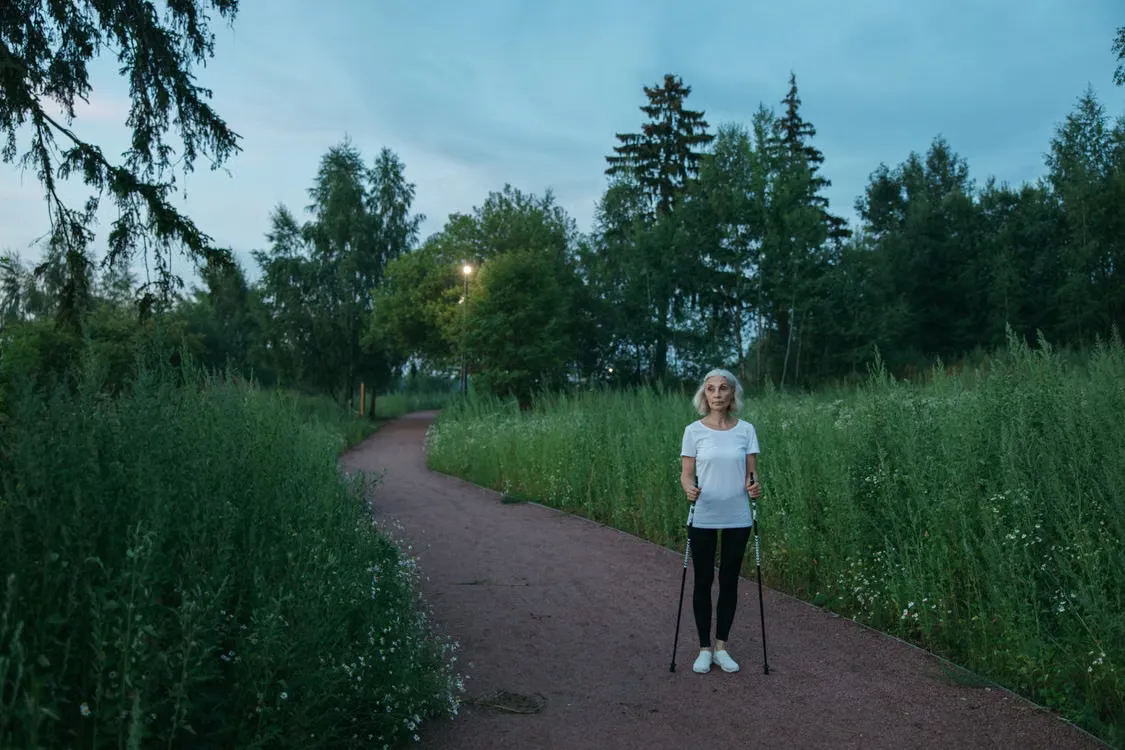
For Semnal’s readers, a company profile should explain both what is being pursued and what has not been established. A technology targeting foot drop is not a general walking enhancer for all older women. We have not conducted a hands-on evaluation and do not rank the device against alternatives here.
Translate the measurements before interpreting the claim
Dorsiflexion means lifting the front of the foot towards the shin. Inversion describes the foot turning inward. Cionic’s research summaries use these movement measures to discuss foot drop and ankle control. Naming them in plain language helps explain what changed without converting a joint-angle result into a broader claim about safe or effortless walking.
The company’s page describes paired walking collections with and without stimulation, after parameters were adjusted for the participant. That comparison can show an immediate change under the tested conditions. It does not, by itself, show what happens months later, how often a person chooses to wear the sleeve or whether a benefit remains when it is removed. Company research summary
Assistance and rehabilitation are different promises
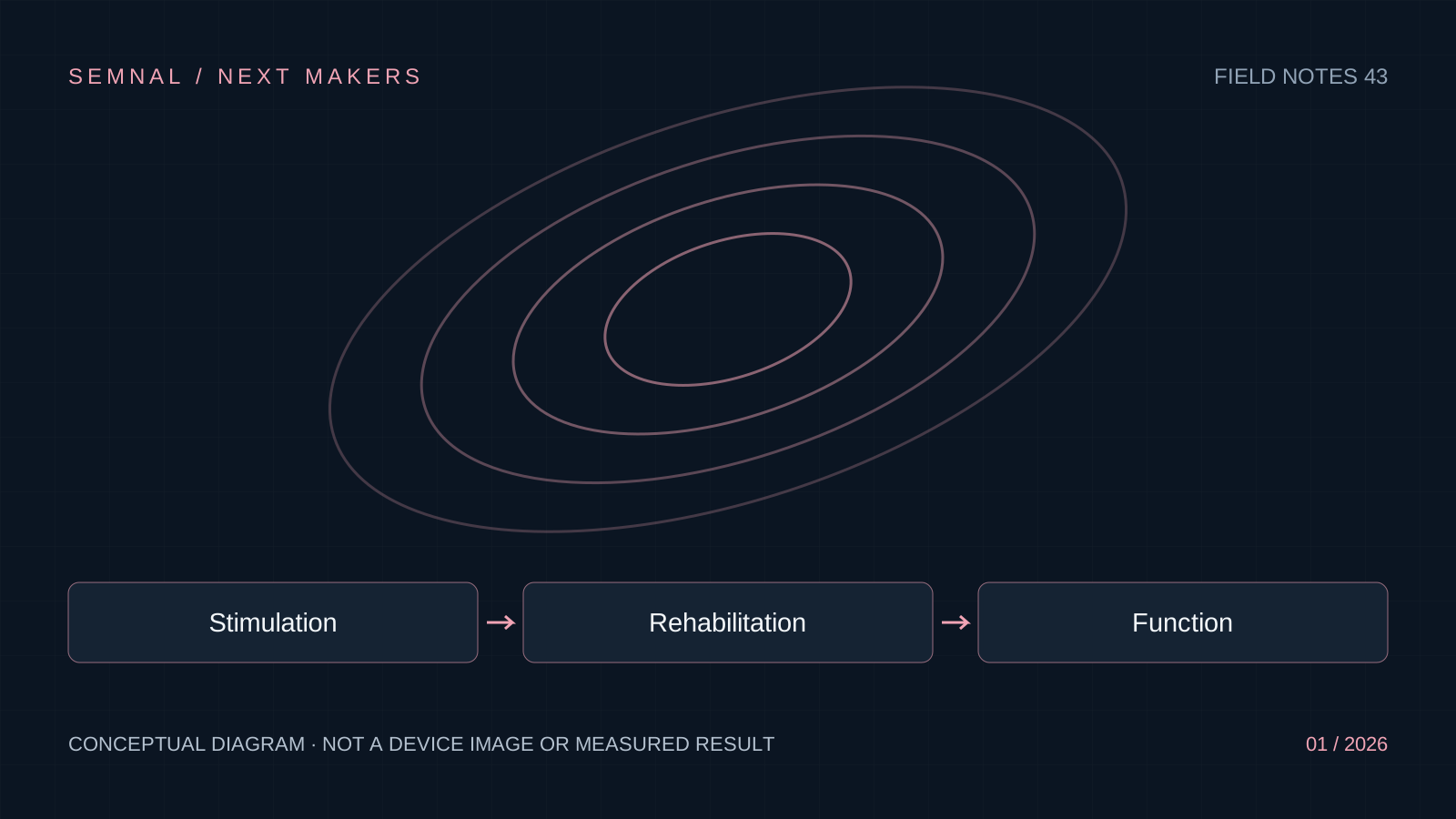
An assistive effect can be valuable while the device is in use. A rehabilitative effect would involve a different claim about lasting function or learning. A product can potentially be studied for both, but an article should not move from one to the other without evidence. The distinction is especially important when a wearable looks like ordinary clothing and is easy to imagine as a general wellness product.
A hypothetical user might value a more manageable walk while wearing the system even if no lasting recovery is established. Another person might be looking specifically for a rehabilitation programme. Those are different goals. A useful company profile explains which question the cited study addresses instead of treating every positive measurement as a universal benefit.
Clothing-like design creates practical questions
Putting technology into a sleeve changes how it is encountered. The design invites questions about fit, setup, skin contact, cleaning and the effort of using controls. These are proposed areas for evaluation, not problems this article claims every wearer experiences. They matter because a device’s success depends partly on whether it fits into an ordinary routine.
For a woman considering the technology landscape, a complete account would also clarify the support pathway. Who establishes suitability? Who adjusts settings? What happens when performance changes? The convenience suggested by the form should be tested against the work required to use the complete system.
How to read a manufacturer-led evidence page
Cionic links its summaries to research reports and explicitly notes that the page does not represent everyone’s experience. That is useful context. It does not turn the company’s presentation into an independent comparison with other approaches. The next step for a fuller evaluation is to read the underlying study design, participant group and outcomes, then look for evidence collected beyond the company’s own summaries.
The technology is worth following because it combines sensing and stimulation in a wearable arrangement. The editorial question is whether that integration produces a dependable, worthwhile experience for a defined group of users. An attractive sleeve and a positive ankle measurement are parts of the story; sustained use and meaningful function complete it.
Evidence beyond immediate movement changes
Independent evaluations and longer follow-up would help establish whether measured changes translate into outcomes meaningful to users. Comfort, setup, skin experience and continuing support belong alongside movement measurements. A company percentage is most useful when its denominator, comparison and measured outcome are easy to find—and when the article does not imply more than it measures.
Sources and editorial note
Source note · 11 September 2026. Research dates refer to the original work. Prepared with AI assistance from the linked sources; no hands-on testing or interviews. Methods, disclosures and corrections.