

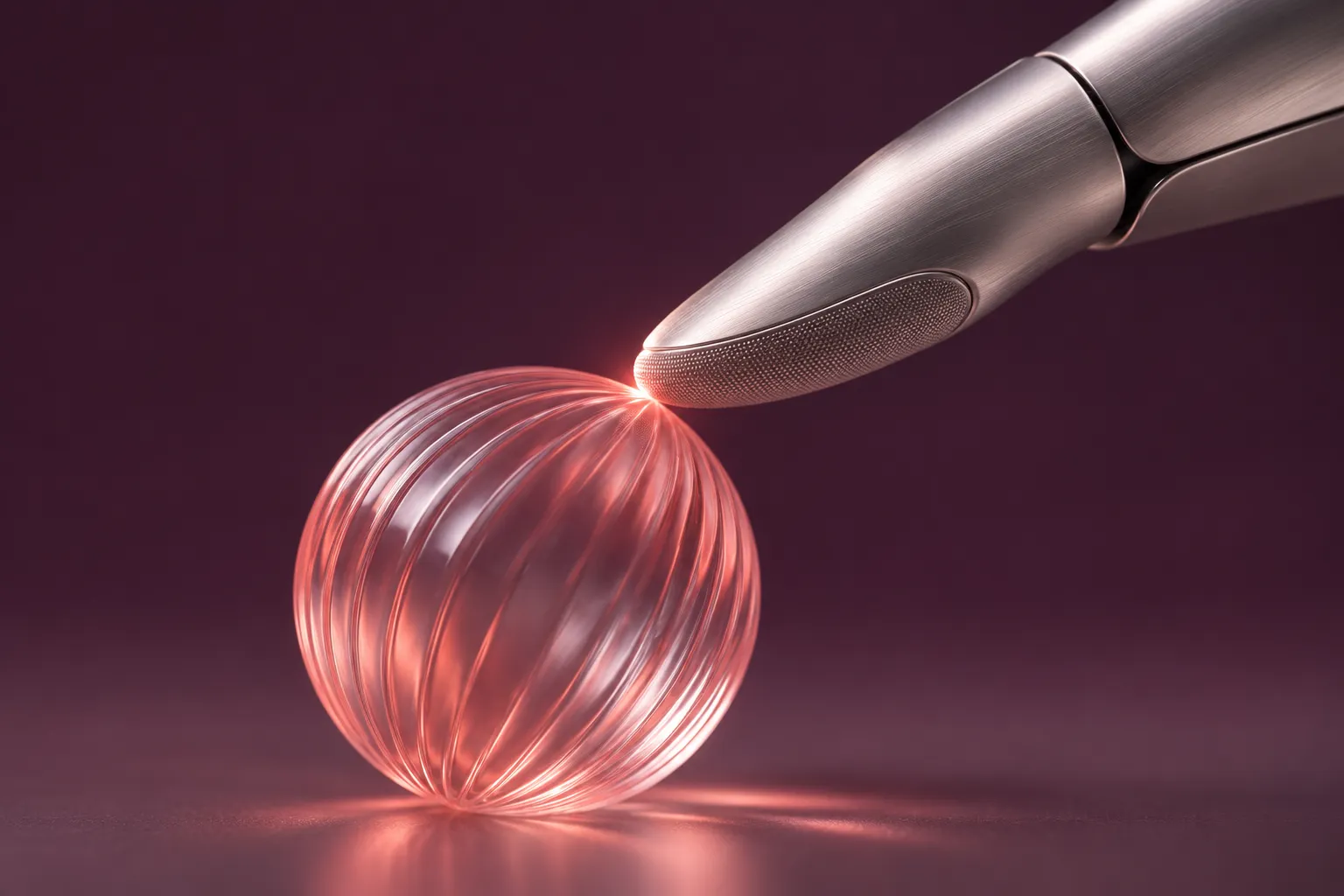
A robotic hand can move without knowing whether it is touching a cup firmly or barely making contact. Returning useful sensory information is a different challenge from controlling motion—and a crucial part of making an artificial limb feel manageable.
Patterns that carry tactile information
NIH described research published in Science in January 2025 in which patterned stimulation of the brain’s somatosensory cortex conveyed more complex tactile information. Participants with spinal-cord injuries reported sensations related to shapes, edges and movement. The experiments explored how stimulation patterns could carry information across multiple fingers. This is early human research, not an off-the-shelf restoration of normal touch. NIH
Useful does not have to mean natural
The important shift is from a simple notification—something touched the hand—to a richer description of the contact. For a potential user, that could matter because watching every movement is a different experience from receiving feedback. But the study does not establish independent household performance or benefits specific to women over 50.
Artificial sensation need not resemble natural sensation to convey useful information. A signal may be useful even if it feels unfamiliar. The better question is whether a user can interpret it consistently, with acceptable effort, when carrying out something meaningful.
From a reported sensation to a task
Look for demonstrations that connect sensory information to practical tasks, alongside surgical and long-term safety data. The feedback must arrive in time to guide action. More detailed sensation is interesting; reliably useful sensation is the larger goal.
Complete the return path
A sensor detects contact; a code translates that measurement; stimulation presents information to a person. Those are separate engineering steps. Our electronic-skin brief concerns the first step. This research concerns the human end of the chain. Progress at either end is valuable, but combining them into dependable everyday control remains a further test.
Sources and editorial note
Source note · 13 April 2026. Research dates refer to the original work. Prepared with AI assistance from the linked sources; no hands-on testing or interviews. Methods, disclosures and corrections.