


Assistive AI is often introduced through model capability. Google’s account of designing Lookout offers a different starting point: how someone actually aims a camera, interprets feedback and decides what to do next.
The interface around the model
Google’s design account describes work on Lookout, an accessibility application intended to help blind and low-vision users obtain information about their surroundings. The account emphasises design with users and the interaction around camera-based recognition. It is a company design narrative, not an independent effectiveness study. Its value here is showing the kinds of interface decisions that surround an AI model. Google Design
Whose experience shaped the design?
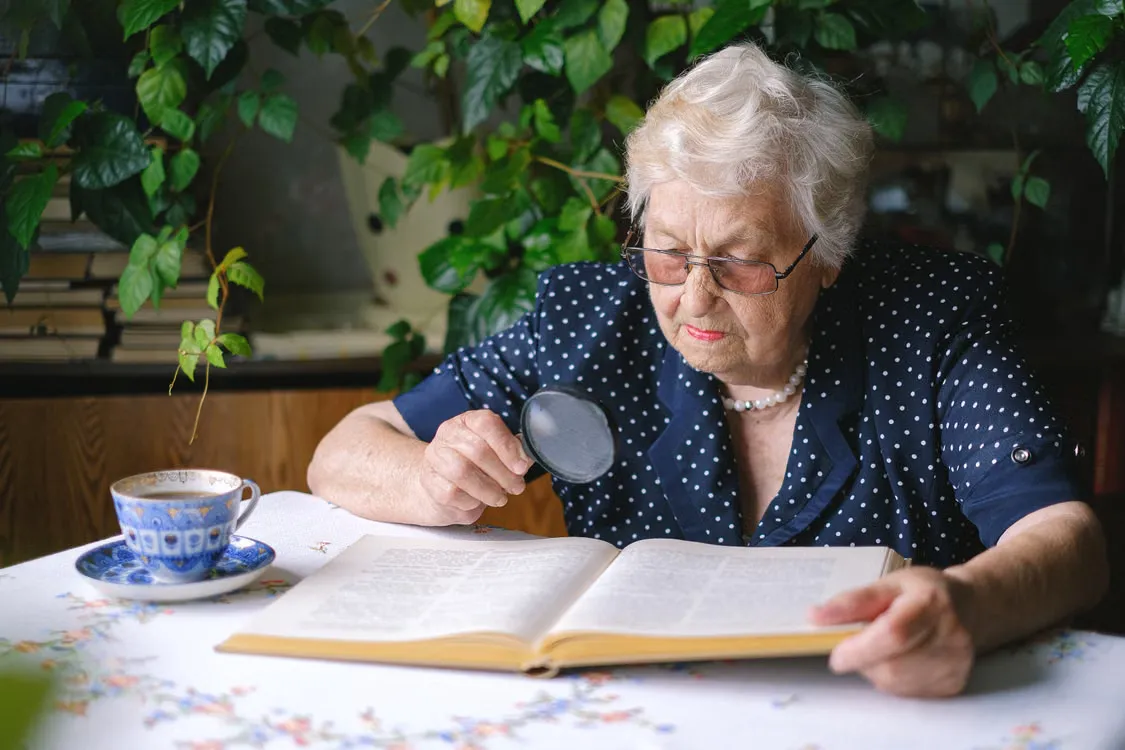
A result that arrives after an awkward capture process may not be useful, however sophisticated the model. For a woman experiencing a change in vision, the learning process, spoken instructions and recovery from a failed attempt may be central to whether a tool feels manageable. We should ask about these experiences rather than assume a preferred interface from age.
Co-design is also not a single stamp of approval. The relevant questions are who participated, whose suggestions changed the product and whose circumstances remain missing. A small group of experienced users cannot automatically represent everyone who might benefit.
The value of recovering from a mistake
Ongoing accessibility tests and accounts of unsuccessful interactions would give a fuller picture than positive stories alone. The frontier includes reducing the work a person must perform to make AI useful. That is an engineering achievement deserving as much attention as a new recognition feature.
Judge the whole interaction
Imagine a correct answer that takes several awkward attempts to obtain. Recognition accuracy alone would miss that effort. A useful account of accessible AI therefore follows the complete sequence: preparing the camera, capturing the image, understanding the response and recovering when something fails. The Seeing AI example raises the related question of confidence in the answer itself.
Sources and editorial note
Source note · 25 March 2026. Research dates refer to the original work. Prepared with AI assistance from the linked sources; no hands-on testing or interviews. Methods, disclosures and corrections.